Ghana Proposes AfCFTA Expansion to Caribbean States
Ghana proposes a landmark AfCFTA Expansion to Caribbean States to deepen trade, unlock investments, and create a broader economic market between the two.

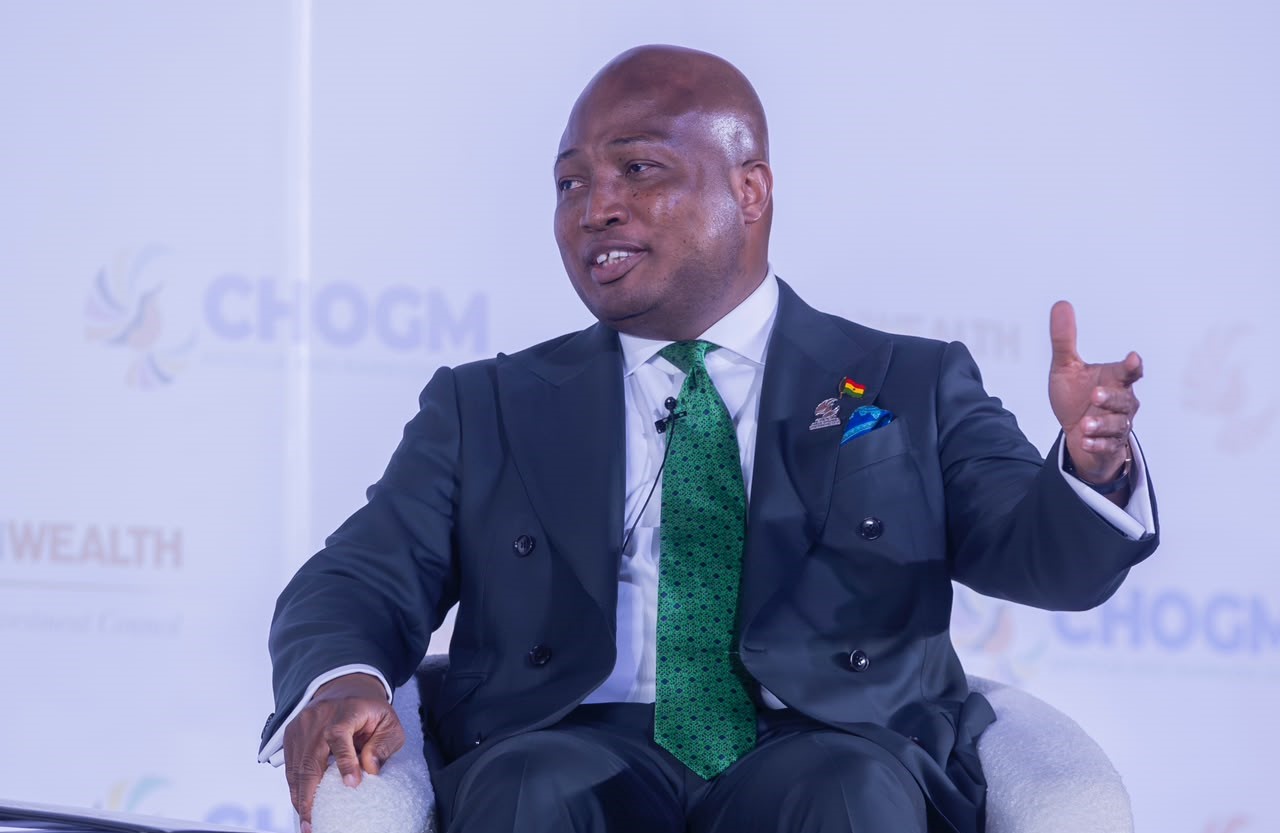

Ghana Champions AfCFTA Expansion to Caribbean States
The Government of Ghana has formally proposed an ambitious expansion of the African Continental Free Trade Area (AfCFTA) to include Caribbean nations. This initiative seeks to transform historical and cultural ties into a robust economic engine, creating a trans-Atlantic market that benefits both regions. By extending the AfCFTA framework beyond the borders of the African continent, the proposal aims to deepen trade relations, unlock untapped investment opportunities, and foster a more resilient global economic environment.
Advocates for the expansion suggest that the inclusion of the Caribbean states would bridge the gap between two of the world’s most dynamic developing regions. The move is viewed as a strategic step toward building a “Global Africa,” where the diaspora and the continent collaborate through formal trade structures. This initiative comes at a time when emerging markets are seeking to diversify their trade partners and reduce reliance on traditional Western markets, making the prospect of a South-South trade corridor increasingly attractive.
Strategic Vision: Connecting Africa and the Caribbean
The proposal to include Caribbean states in the AfCFTA framework is seen as a historic step toward realizing the ‘Global Africa’ concept, uniting the diaspora with the continent through formal economic structures.
“President John Dramani Mahama has proposed expanding the AfCFTA to facilitate trade between African and Caribbean nations.”
— Samuel Okudzeto Ablakwa, Minister for Foreign Affairs
The strategic vision for this expansion was detailed during the Commonwealth Business Forum held in Antigua and Barbuda. Samuel Okudzeto Ablakwa, Ghana’s Minister for Foreign Affairs, delivered the announcement, highlighting that the proposal originates from the long-term economic strategy of President John Dramani Mahama. The Minister emphasized that while Africa and the Caribbean share a profound history, the future of their relationship must be rooted in tangible economic cooperation that delivers jobs and fuels business growth.
Under this vision, the AfCFTA would serve as a platform to facilitate the seamless movement of goods and services between the two regions. By removing tariff and non-tariff barriers, the proposal seeks to encourage businesses in Ghana and the wider African continent to view the Caribbean not just as a cultural partner, but as a viable export destination and a source of high-quality imports. The Minister noted that formalizing these links would allow both regions to leverage their collective bargaining power in the global arena, ensuring that their specific economic interests are better represented in international trade negotiations.
Economic Benefits of the AfCFTA Expansion to Caribbean States
The potential AfCFTA Expansion to Caribbean States offers a variety of economic advantages that could redefine the African trade and diaspora economy. By integrating these markets, both regions stand to gain from increased scale and specialization. The following points outline the expected benefits of this proposed expansion:
- Market Diversification: African businesses would gain access to Caribbean markets, providing a gateway to North American trade routes, while Caribbean nations would gain entry into a consolidated African market of over 1.3 billion people.
- Investment Inflows: A formalized trade agreement would provide legal certainty for investors, encouraging cross-border investments in sectors such as tourism, agriculture, renewable energy, and financial services.
- Job Creation: Increased trade volumes are expected to stimulate industrialization and service sector growth, leading to the creation of sustainable employment opportunities for the youth in both regions.
- Enhanced Logistics: The need for direct shipping and aviation routes between Africa and the Caribbean would likely attract infrastructure investment, reducing the current cost and time associated with trans-Atlantic logistics.
- SME Growth: Small and Medium Enterprises (SMEs) would benefit from streamlined customs procedures and reduced tariffs, allowing them to compete more effectively in international markets.
Ghana’s Diplomatic Role in Global Trade
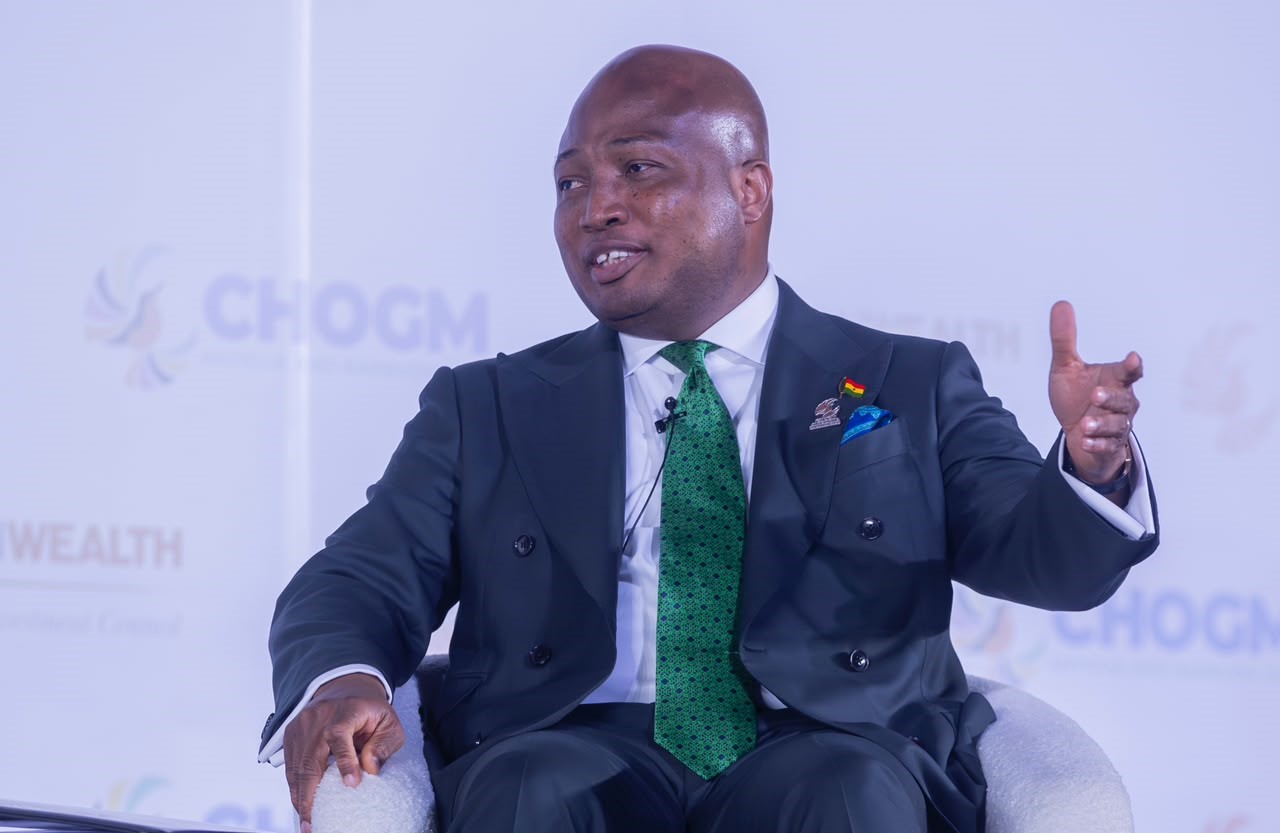
Ghana has long positioned itself as a leader in pan-African integration, serving as the host of the AfCFTA Secretariat in Accra. This new proposal to include Caribbean states further solidifies Ghana’s role as a diplomatic bridge between the continent and the global community. By leveraging its influence within the Commonwealth framework, Ghana is advocating for a more inclusive global trade architecture that reflects the realities of the 21st century. This proactive stance is a continuation of the country’s commitment to multilateralism, similar to the efforts seen in Ghana-UK Bilateral Relations which focus on mutual economic growth and stability.
The diplomatic push led by Samuel Okudzeto Ablakwa reflects a broader shift in Ghanaian foreign policy toward “economic diplomacy.” By focusing on trade rather than aid, Ghana is inviting Caribbean nations to join a partnership based on mutual respect and shared prosperity. This leadership is crucial in navigating the complexities of international trade law and ensuring that an expanded AfCFTA remains compliant with World Trade Organization (WTO) standards while serving the specific needs of developing island nations and continental African states.
Addressing Global Trade Challenges
The proposed expansion comes at a critical time when global trade is facing significant headwinds, including supply chain disruptions and shifting geopolitical alliances. By creating a dedicated trade corridor between Africa and the Caribbean, the AfCFTA expansion addresses these modern trade barriers head-on. It encourages regional self-reliance and builds a buffer against external economic shocks. Furthermore, the initiative leverages the shared heritage of the African diaspora, turning a history of forced separation into a future of economic synergy.
Addressing these challenges requires a departure from traditional trade models that have often marginalized developing economies. The expansion of the African Continental Free Trade Area to the Caribbean represents a bold step toward rebalancing global trade dynamics. As President John Dramani Mahama’s administration continues to champion this cause, the focus remains on ensuring that the logistical and regulatory frameworks are robust enough to handle increased trade volumes. If successful, this expansion could serve as a blueprint for other regional trade blocs looking to build meaningful connections across oceans, ultimately fostering a more interconnected and prosperous global south.
Frequently asked questions
Who announced the AfCFTA expansion proposal?
The proposal was officially announced by Ghana’s Minister for Foreign Affairs, Samuel Okudzeto Ablakwa, at the Commonwealth Business Forum.
What are the main objectives of this expansion?
The primary goals are to create a broader economic market, deepen trade relations, and unlock new investment opportunities between Africa and the Caribbean.
Where did the announcement take place?
The announcement was made during the Commonwealth Business Forum held in Antigua and Barbuda.
Related posts:
 African Trade and Diaspora Economy: Trends and Challenges
 Ghana Challenges South Africa Over Xenophobic Attacks, Rejects Crime Allegations Against Ghanaians
 Mahama Calls for Renewed Pan-African Unity and Reparations Agenda During UK Visit
 ECOWAS backs Ghana’s anti-xenophobia push as West African ministers endorse AU petition and reparatory justice framework
 World News: Navigating Global Geopolitical Shifts