Ghana Ambassador Demands Answers After Teenager’s Death in New York
Ghana's ambassador to the US has called for an impartial investigation into the death of a 15-year-old Ghanaian in New York amid reports of racial bullying.



Ghana’s ambassador to the United States has urged a thorough, impartial investigation into the death of a 15-year-old Ghanaian boy in New York after reports that he had experienced racial bullying at school. The cause and circumstances of his death must not be assumed before investigators establish the facts.
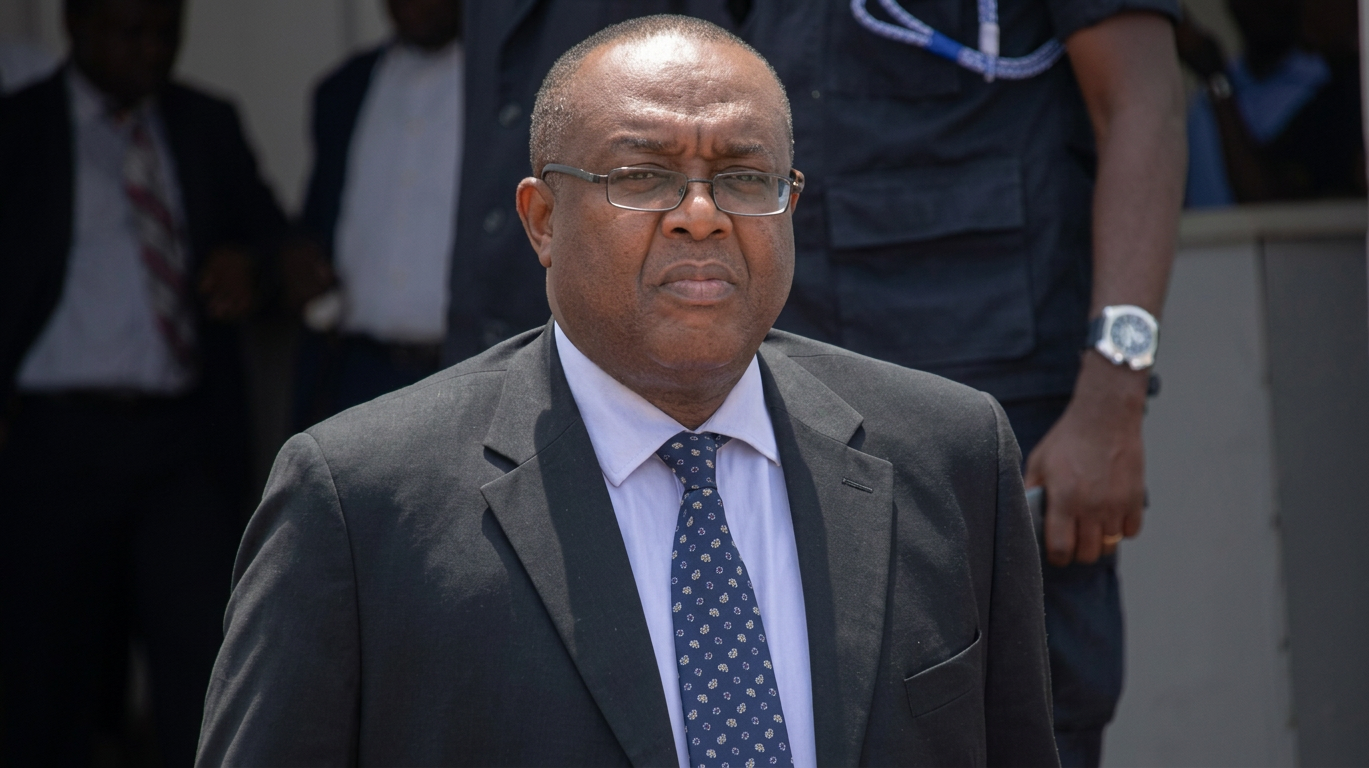
NEW YORK/ACCRA — Ghana’s Ambassador to the United States, Victor Emmanuel Smith, has called on the relevant US authorities to investigate the death of Ghanaian teenager Javits Badu Nkansah Frimpong, 15, and establish whether reported school bullying played any role.
In a condolence statement dated 30 October and reported by Ghana’s Information Services Department on 31 October, the ambassador said the circumstances required careful and impartial examination. He expressed condolences to the family on behalf of Ghana’s government.
Ghanaian Teenager’s Death in New York: What Is Known?
An evidence-led guide to the ambassador’s statement, unanswered investigative questions and practical school-safety reporting options.
Source statement: 31 October 2026
Explore the evidence
Select a topic to distinguish what the official statement establishes from what remains unverified.
What did the ambassador say?
The Ghanaian statement records Ambassador Victor Smith’s concern and request for an investigation.
What remains unverifiedThe outcome of any investigation and any findings by US authorities.
Established versus unverified
Established by the Ghanaian statement
- The ambassador expressed concern.
- He called for an investigation.
- The teenager reportedly moved to the US approximately a year earlier to join his father and study.
- The statement referred to reports of racial bullying.
Not independently established
- The medical cause of death.
- Whether bullying contributed to the death.
- The identity or responsibility of any alleged perpetrator.
- Any criminal offence or finding of guilt.
- The conclusions of police or school investigations.
Interactive: school bullying reporting guide
This general guide explains possible steps for families in the United States. School district policies and applicable state laws vary.
A child reports bullying
Listen carefully, record the child’s account and contact the school through its established reporting process.
Practical next stepKeep dates, messages and relevant records, and request a written acknowledgement from the school.
Questions awaiting verified answers
Which US agency is investigating?
The supplied reporting does not independently identify or verify the responsible investigative agency.
Has the cause of death been determined?
No medical examiner’s finding has been independently obtained for this article.
Were bullying complaints reported to the school?
The article does not establish whether formal complaints were made or how any such complaints were handled.
Does the ambassador’s statement prove a crime occurred?
No. A request for an investigation does not establish criminal conduct or responsibility.
Should alleged classmates or staff be identified publicly?
Unverified allegations should not be used to identify or accuse individuals. Reporting must protect children, respect privacy and avoid prejudicing investigations.
Accountability requires evidence, not speculation
The ambassador’s request for an investigation raises legitimate questions about child safeguarding and school responses to reported bullying.
However, no causal link between alleged bullying and the teenager’s death has been independently established in the material reviewed.
Further reporting should prioritise official investigative findings, authorised family statements and the protection of children and their privacy.
Related posts:
 UK Settlement Overhaul: What Proposed 10-Year Wait Could Mean for Ghanaian Migrants
 Ghana’s UK High Commissioner Calls on Diaspora to Drive Investment and Growth
 Ghana moves nearly 900 citizens to safe havens ahead of South Africa protests
 British Teen Gwen Klu Chooses Ghana for Billie Jean King Cup Debut
 Region17Gh Launches in Washington to Mobilise Ghanaians Abroad for Ghana’s Development