Pressure Builds on Keir Starmer After Burnham Victory Fuels Leadership Questions


Follow Nukunya
Get the latest breaking news and updates from Nukunya.
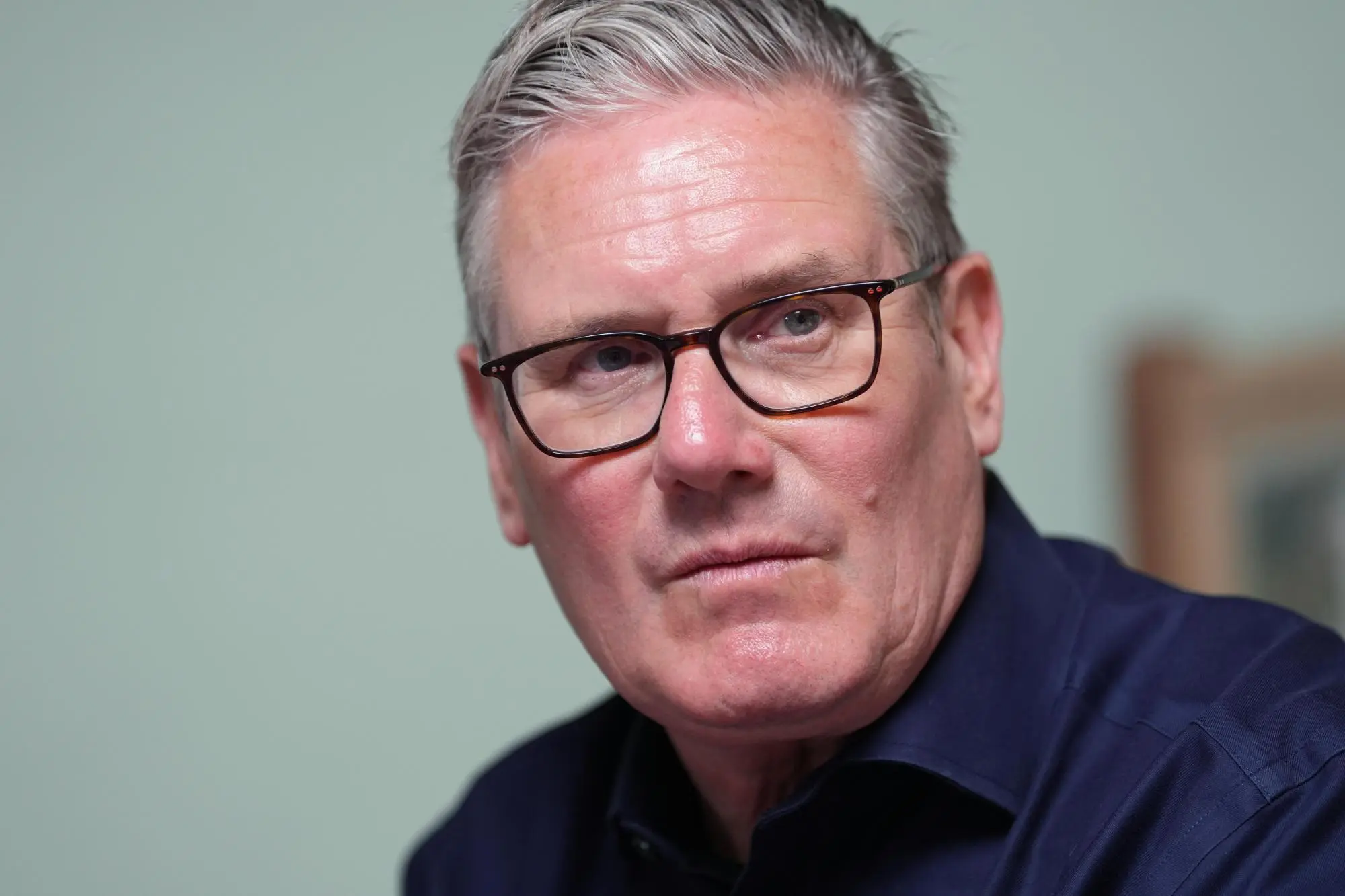
Calls for Prime Minister Keir Starmer to step aside are growing within Labour after a damaging by-election result elevated Andy Burnham’s national profile. However, no formal leadership contest has been announced, and Starmer retains the backing of key figures within government.
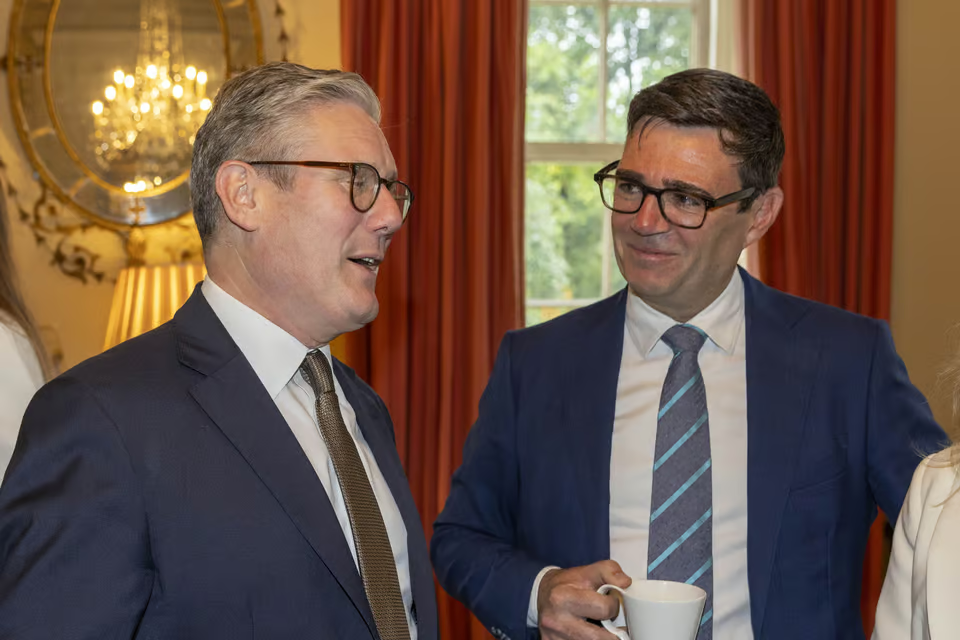
LONDON, United Kingdom — Pressure on British Prime Minister Keir Starmer has intensified following a damaging by-election result and growing calls from Labour MPs for a debate about the party’s future leadership, placing renewed attention on Greater Manchester Mayor Andy Burnham as a potential alternative figure within the governing party.
Despite the growing speculation, Downing Street has denied reports that Starmer intends to resign, insisting that the prime minister remains focused on governing and delivering Labour’s policy agenda. No formal leadership contest has been announced. The developments come less than two years after Labour secured a commanding general election victory that returned the party to power after more than a decade in opposition.
How the Pressure Built
The latest debate over Labour’s leadership emerged after Andy Burnham’s strong performance in the Makerfield by-election intensified discussion about the party’s future direction.
In the days that followed, a growing number of Labour MPs publicly questioned Starmer’s leadership and called for clarity regarding his future. Several British media organisations reported that more than 100 Labour MPs had either urged Starmer to resign or requested a timetable for his departure.
However, Labour holds more than 400 seats in the House of Commons, meaning those publicly calling for change still represent a minority of the parliamentary party. Senior ministers and government allies have continued to defend Starmer, arguing that Labour should remain focused on governing rather than becoming distracted by internal leadership debates.
Why Andy Burnham Matters
Burnham has emerged as a central figure in the discussion because of his political experience and strong profile outside Westminster.
A former cabinet minister who served in several senior government roles, including as Health Secretary and Culture Secretary, Burnham has spent the past decade building political influence as Mayor of Greater Manchester, one of the United Kingdom’s most significant regional leadership positions.
Supporters argue that Burnham has maintained a closer connection with voters than many national politicians and has demonstrated an ability to win support across traditional political divides. His recent electoral success has strengthened perceptions among some Labour members that he could help rebuild public confidence in the party.
At the same time, Burnham has not formally declared any intention to challenge Starmer, and questions remain about what a national leadership platform under his direction would look like.
Why Starmer Could Survive
Despite the pressure, Starmer remains in a stronger position than some headlines suggest. He continues to lead a government with a substantial parliamentary majority and retains support from senior ministers and party officials. No formal mechanism has yet been triggered to begin a leadership contest, and Downing Street continues to reject suggestions that a resignation is imminent.
Political analysts note that leadership speculation is not unusual in governing parties facing electoral setbacks, particularly during difficult economic periods. Whether current dissatisfaction develops into a coordinated challenge remains unclear. Several Labour figures have also warned that a divisive leadership battle could damage the party’s ability to govern and undermine efforts to deliver its policy programme.
Why This Matters Beyond Britain
The developments are being closely watched internationally, including across Africa and the wider Commonwealth. The United Kingdom remains a major trading partner, investor and diplomatic ally for many African countries, including Ghana. Any change in British leadership could influence areas such as migration policy, student visa arrangements, development assistance, trade partnerships and broader foreign policy priorities.
For the Ghanaian diaspora in Britain, changes in government leadership can also affect debates around immigration, economic policy, housing and public services. The episode reflects a broader challenge facing governments in many democracies, where voters increasingly expect rapid economic improvements and visible policy outcomes following election victories.
Related posts:
 Andy Burnham’s By-Election Victory Fuels Questions Over Labour’s Future
  Belfast Violence Spreads After Knife Attack as Homes Burn and Bus Set Ablaze
  Train Driver Killed, 89 Injured After Passenger Trains Collide Near Bedford
  UK Raises Terror Threat Level to ‘Severe’ After Golders Green Terror Attack
  UK Gives Apple and Google Three Months to Strengthen Child Safety Controls on Devices