US-Iran Deal Reopens Key Oil Route but Lebanon and Nuclear Risks Remain


Follow Nukunya
Get the latest breaking news and updates from Nukunya.
A preliminary agreement between the United States and Iran has reopened the Strait of Hormuz and eased pressure on global oil markets. However, unresolved nuclear issues and continuing tensions involving Israel and Lebanon threaten the durability of the breakthrough.
WASHINGTON/TEHRAN/JERUSALEM — The United States and Iran have signed a preliminary agreement that has reopened the Strait of Hormuz to commercial shipping, lowered global oil prices and raised hopes of ending months of regional conflict, although major disputes over Iran’s nuclear programme and continuing instability in Lebanon remain unresolved.
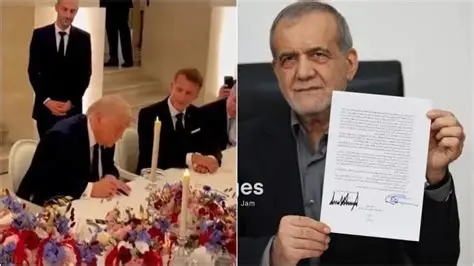
The memorandum of understanding, signed by US President Donald Trump and Iranian President Masoud Pezeshkian, establishes a 60-day negotiating framework aimed at securing a broader settlement between the two countries. The agreement includes the reopening of the Strait of Hormuz, the easing of some restrictions on Iranian oil exports and a commitment to pursue further diplomatic negotiations. The development marks the most significant breakthrough in US-Iran relations since the latest escalation of tensions began earlier this year.
Within hours of the agreement taking effect, commercial vessels resumed transiting the Strait of Hormuz. Reuters reported that at least three Saudi supertankers carrying approximately six million barrels of crude oil successfully crossed the waterway, signalling renewed confidence among shipping operators and energy markets.
Oil prices fell sharply after news of the agreement emerged, reflecting expectations that disruptions to global energy supplies may ease. Investors and traders interpreted the reopening of the strait as a major step towards reducing geopolitical risk in one of the world’s most strategically important regions.
Why the Strait of Hormuz Matters
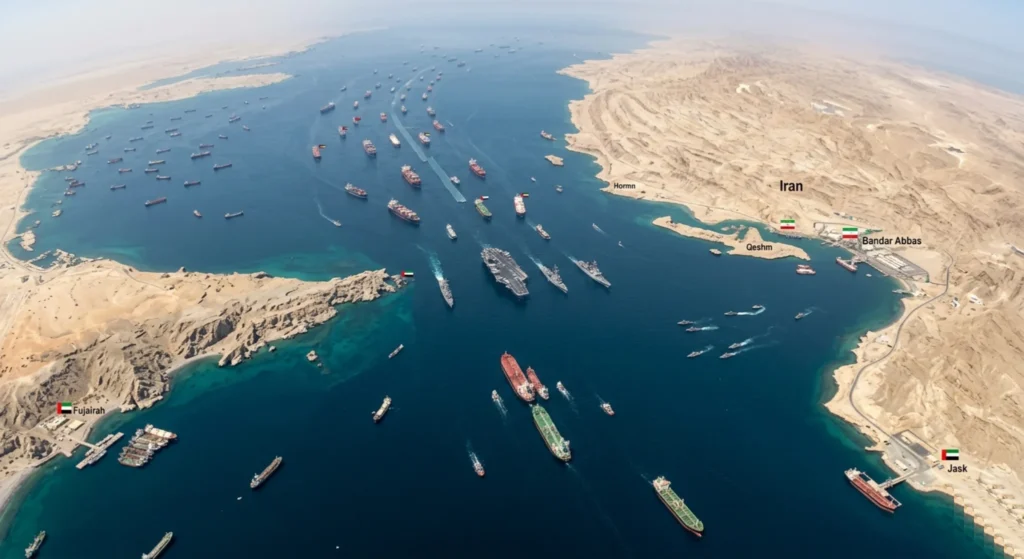
The Strait of Hormuz is widely regarded as the world’s most important oil transit chokepoint.
Roughly one-fifth of global oil consumption passes through the narrow waterway connecting the Persian Gulf to international markets. The route serves as a critical export corridor for major oil-producing countries, including Saudi Arabia, Iraq, Kuwait, the United Arab Emirates and Iran.
Any disruption to shipping through the strait can have immediate consequences for global fuel prices, shipping insurance costs and supply chains. The reopening of the route therefore carries significance far beyond the Middle East, affecting consumers, businesses and governments across the world.
Nuclear Questions Remain
Despite the diplomatic breakthrough, the agreement leaves some of the most contentious issues unresolved.
While both sides have agreed to continue negotiations, questions remain over the future of Iran’s nuclear programme, including uranium enrichment levels, international inspections, monitoring arrangements and the management of existing nuclear material stockpiles. The framework agreement does not provide detailed answers on these issues. Instead, negotiators have been given a 60-day period to develop a more comprehensive settlement.
Diplomatic analysts caution that the nuclear file remains the greatest obstacle to a lasting agreement. Previous negotiations have repeatedly stalled over verification mechanisms, sanctions relief and disagreements regarding the scope of Iran’s nuclear activities. The success or failure of the current negotiations is therefore likely to depend heavily on whether both sides can bridge long-standing differences on these matters.
Lebanon Remains a Source of Concern
A second major challenge lies in Lebanon.
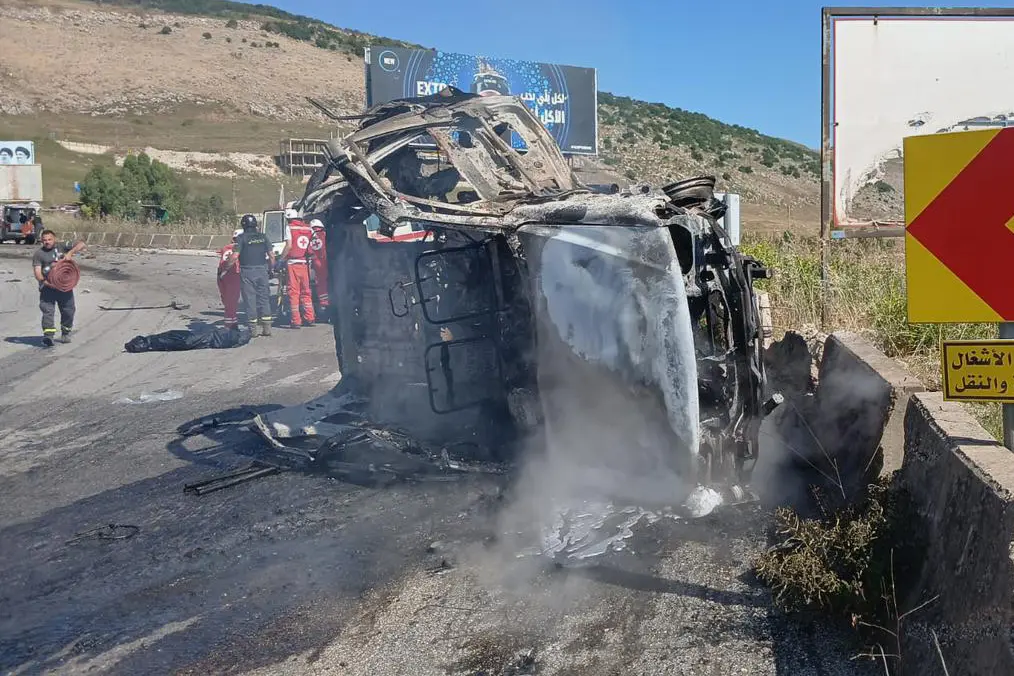
Although the agreement seeks to reduce regional tensions, military activity involving Israel and armed groups operating in southern Lebanon has continued. Reports from the region indicate that Israeli operations have not fully ceased, raising concerns that a broader regional settlement may prove difficult to achieve.
The issue has exposed differing priorities among regional actors. While Washington has pushed for wider de-escalation, Israeli officials continue to argue that security threats along the Lebanese border require ongoing military action. The situation creates a significant risk for the diplomatic process because renewed fighting could undermine confidence in the agreement and complicate negotiations.
What It Means for Ghana and Africa
The implications extend well beyond the Middle East.
For Ghana and many African economies, the reopening of the Strait of Hormuz could help stabilise fuel prices and reduce pressure on inflation.
Many African countries remain heavily dependent on imported fuel and are vulnerable to fluctuations in global energy markets. Higher oil prices typically increase transportation costs, electricity generation expenses and the price of goods and services.
A sustained reduction in geopolitical tensions could therefore provide relief for households already facing cost-of-living pressures.
For Ghana specifically, lower oil prices could contribute to more stable fuel costs, potentially easing pressure on transport fares and business operating expenses.
The agreement could also benefit African importers and exporters through reduced shipping insurance premiums and improved supply chain reliability.
Oil-producing countries such as Ghana, Nigeria and Angola will also be closely monitoring developments. While lower prices may reduce export revenues, greater market stability could support long-term investment planning and economic predictability.
The Economic Impact Beyond Energy
The agreement has broader implications for the global economy. Shipping disruptions in the Strait of Hormuz affect not only crude oil but also liquefied natural gas, petrochemicals and a wide range of traded goods.
Periods of instability typically lead to higher freight costs, increased insurance premiums and greater uncertainty for businesses. By reducing these risks, the agreement could support global trade flows and improve investor confidence at a time when many economies continue to face inflationary and growth challenges.
Related posts:
 US-Iran Exchange Fire as Trump Seeks Changes to Proposed Deal
  Israel and Lebanon Agree Ceasefire if Hezbollah Ends Attacks
  Hezbollah Rejects US-Backed Lebanon Ceasefire, Raising Doubts Over Wider Peace Efforts
  Iran Fires Missiles at Kuwait and Bahrain as Gulf Conflict Threatens Global Energy Routes
  Three Lebanese Army Personnel, Including General, Killed in Israeli Strike Amid Fragile Ceasefire