Ghana Targets 2027 for 5G and Oil Milestones
Ghana targets 2027 milestones for energy and tech. Government announces 70% 5G coverage and six new petroleum agreements with global giants like Shell and.



Development Goals for the First Quarter of 2027: Ghana targets 2027
This article covers ghana targets 2027 and what it means for you. The government of Ghana has identified the first quarter of 2027 as a pivotal deadline for two of the nation’s most ambitious developmental pillars: energy independence and digital connectivity. By aligning milestones in the upstream petroleum sector with a rapid expansion of high-speed telecommunications, the administration aims to solidify Ghana’s position as a leading economic hub in West Africa. These targets are not merely administrative deadlines but represent a concerted effort to integrate industrial growth with modern technological infrastructure.
In the energy sector, the focus is on reversing a recent trend of stagnating oil production by securing long-term commitments from global energy giants. Simultaneously, the digital agenda seeks to bridge the urban-rural divide, ensuring that the benefits of the Fourth Industrial Revolution are accessible to all citizens. By setting Ghana targets 2027 as the benchmark, policymakers are signaling to both domestic stakeholders and international investors that the country is entering a phase of accelerated structural reform.
Ghana to Sign Six Petroleum Agreements by 2027

“Government is pursuing an aggressive programme to revitalise the upstream petroleum sector and create more opportunities for indigenous companies.”
— Dr. John Abdulai Jinapor, Minister for Energy and Green Transition
Energy Minister Dr. John Abdulai Jinapor recently detailed a strategic roadmap designed to revitalize the nation’s upstream oil and gas industry. Speaking at the Petroleum Commission’s 2026 Local Content Conference in Takoradi, Dr. Jinapor announced that Ghana is on track to sign at least six new petroleum agreements by March 2027. These negotiations involve prominent international oil companies (IOCs) including Eni, Vitol, Shell, Chevron, Petrobras, and ExxonMobil. The primary objective of these partnerships is to inject fresh capital into exploration and production, effectively reversing the current decline in national oil output.
This aggressive pursuit of new investments is a cornerstone of broader economic revitalisation strategies intended to stabilize the national economy through increased export revenue. By repositioning Ghana as a preferred destination for petroleum investment, the government hopes to leverage its natural resources to fund further industrialization. Dr. Jinapor emphasized that these agreements are essential for maintaining the country’s energy security and ensuring a steady supply of gas for domestic power generation, which remains a critical factor for industrial competitiveness.
Local Content and Upstream Sector Reform
Central to the discussions at the Petroleum Commission’s 15th-anniversary conference was the role of indigenous participation in the oil sector. The government has made it clear that “local content” is no longer just a regulatory hurdle but a primary driver for national development. The key objectives of the current reform agenda include:
- Empowering Indigenous Companies: Creating frameworks that allow Ghanaian firms to take leading roles in the supply chain, rather than acting solely as secondary subcontractors.
- Technology Transfer: Ensuring that partnerships with global firms like Shell and ExxonMobil include provisions for training local engineers and technicians in advanced extraction technologies.
- Job Creation: Leveraging new drilling projects to generate thousands of high-skilled jobs for the local workforce.
- Building Resilience: Reforming the upstream sector to be more competitive on a global scale, making it less susceptible to fluctuations in international oil prices.
Nationwide 5G Coverage Expansion Plans
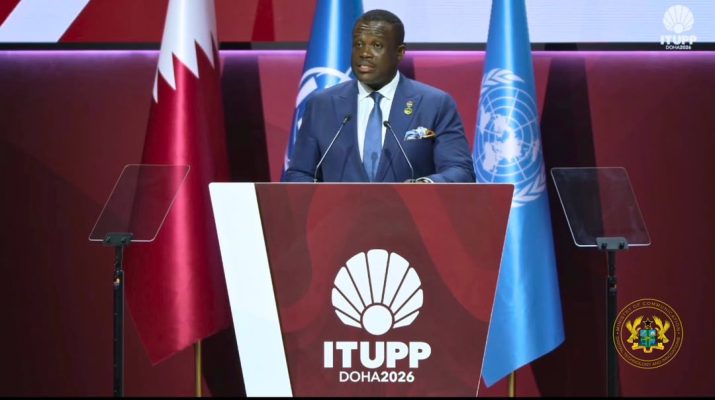
While the energy sector focuses on the subsurface, the Ministry for Communication, Digital Technology and Innovations is looking toward the airwaves. Minister Samuel Nartey George, speaking at the 2026 International Telecommunication Union (ITU) Plenipotentiary Conference in Doha, revealed that Ghana 5G coverage is expected to exceed 70% by March 2027. This ambitious target is part of a comprehensive digital transformation agenda aimed at providing the high-speed connectivity required for modern business and education.
To achieve this, the government is facilitating significant infrastructure investments that include the completion of 2,016 rural telephony sites. Mr. George noted that existing 2G and 3G facilities in remote areas are being systematically upgraded to be 4G and 5G ready. By opening up spectrum licensing and encouraging competition among service providers, the ministry intends to lower the cost of data and improve reliability, ensuring that the upstream petroleum sector and other industrial zones are supported by world-class communication networks.
What These National Targets Mean for Ordinary Ghanaians
The expansion of 5G coverage is expected to lower the cost of data over time and improve the reliability of digital services for students, small business owners, and remote workers who currently struggle with slow internet speeds. Additionally, the new oil agreements are designed to boost ‘local content,’ meaning more jobs and technical training opportunities for Ghanaian engineering and service firms.
For the average citizen, the realization of these 2027 targets could lead to tangible improvements in the standard of living. The expansion of 5G coverage is expected to lower the digital barrier to entry for small-scale entrepreneurs and students in rural areas, fostering a more inclusive digital economy. High-speed internet is no longer a luxury but a necessity for participating in modern commerce, and reaching the 70% coverage mark would place Ghana among the most connected nations on the continent.
Furthermore, the successful execution of new petroleum agreements is designed to have a trickle-down effect on the cost of living. Increased domestic oil and gas production can lead to more stable fuel prices and a more reliable electricity grid, reducing the operational costs for small businesses. As Ghana targets 2027 for these dual milestones, the focus remains on ensuring that macroeconomic gains from the energy sector and technological advancements in telecommunications result in sustainable job creation and long-term economic stability for the general public.
Related posts:
 Ghana Signs Two New Offshore Agreements for Exploration
 Ghana’s $28bn petroleum hub agreement: What is secured and what remains uncertain?
 Mahama and Queen Máxima Expand Digital Financial Services
 Ato Forson Briefs Chiefs on 2027 Budget New Economy Plan
 Oman Energy Sector: Powerful Reforms Beyond Project Announcements