Ghana’s Debt Climbs to GH₵674bn Despite IMF Recovery Gains


Follow Nukunya
Get the latest breaking news and updates from Nukunya.
Ghana’s public debt stock rose to GH₵674.1 billion in February 2026 despite improving fiscal indicators, highlighting the fragile balance between economic recovery and renewed borrowing pressures after the country’s IMF-backed restructuring programme.
ACCRA, Ghana —
Ghana’s public debt stock rose to GH₵674.1 billion in February 2026 despite improving fiscal indicators, underlining the fragile balance between economic recovery and renewed borrowing pressures after the country’s IMF-backed restructuring programme. Latest figures from the Bank of Ghana’s May 2026 Summary of Economic and Financial Data showed the country’s debt stock increased from GH₵663.4 billion in January and GH₵641.1 billion in December 2025. In dollar terms, total public debt stood at US$63.1 billion in February.
Despite the increase in nominal debt, Ghana’s debt-to-GDP ratio declined to 42.2% in February from 44.7% in December 2025, reflecting stronger economic growth and tighter fiscal controls. The figures come as the International Monetary Fund projects Ghana’s debt-to-GDP ratio could rise again to 53% by the end of 2026, suggesting the country’s recovery remains vulnerable to exchange-rate pressures, borrowing costs and global economic uncertainty.
IMF warns debt pressures remain fragile
The IMF’s latest Fiscal Monitor report, presented during the 2026 Spring Meetings in Washington, projected that post-restructuring financing pressures could temporarily reverse some of Ghana’s recent debt reduction gains. Ghana’s debt-to-GDP ratio peaked at 61.8% in 2024 before falling sharply following domestic debt restructuring and fiscal consolidation measures.
However, IMF analysts warned that the debt outlook remained highly sensitive to:
- exchange-rate volatility,
- global interest-rate movements,
- slower economic growth,
- and continued domestic borrowing requirements.
A weaker cedi could sharply increase the local-currency cost of servicing external debt, while sustained domestic borrowing may place additional pressure on inflation and lending rates. According to the IMF, Ghana’s economy is estimated at roughly GH₵1.4 trillion in 2026, up from about GH₵1.1 trillion in 2024.
Domestic borrowing continues rising
Bank of Ghana data showed external debt stood at US$29.3 billion in February 2026, representing about 19.6% of GDP. Domestic debt, however, continued rising, climbing to GH₵360.4 billion in February from GH₵341 billion in January. That represented approximately 22.6% of GDP.
Economists say the increase reflects continued government reliance on local borrowing to finance budget operations and refinance obligations following Ghana’s external debt restructuring programme under the IMF bailout arrangement. In April, the government raised GH₵2.7 billion through a seven-year domestic bond issuance, marking a return to longer-term borrowing after the Domestic Debt Exchange Programme disrupted confidence in the local bond market.
The bond carried a coupon rate of 12.5% and matures in March 2033. Analysts said the successful issuance signalled improving investor confidence in Ghana’s fiscal direction and debt management strategy.
Fiscal indicators show gradual stabilisation
Government fiscal performance has nevertheless shown signs of stabilisation.
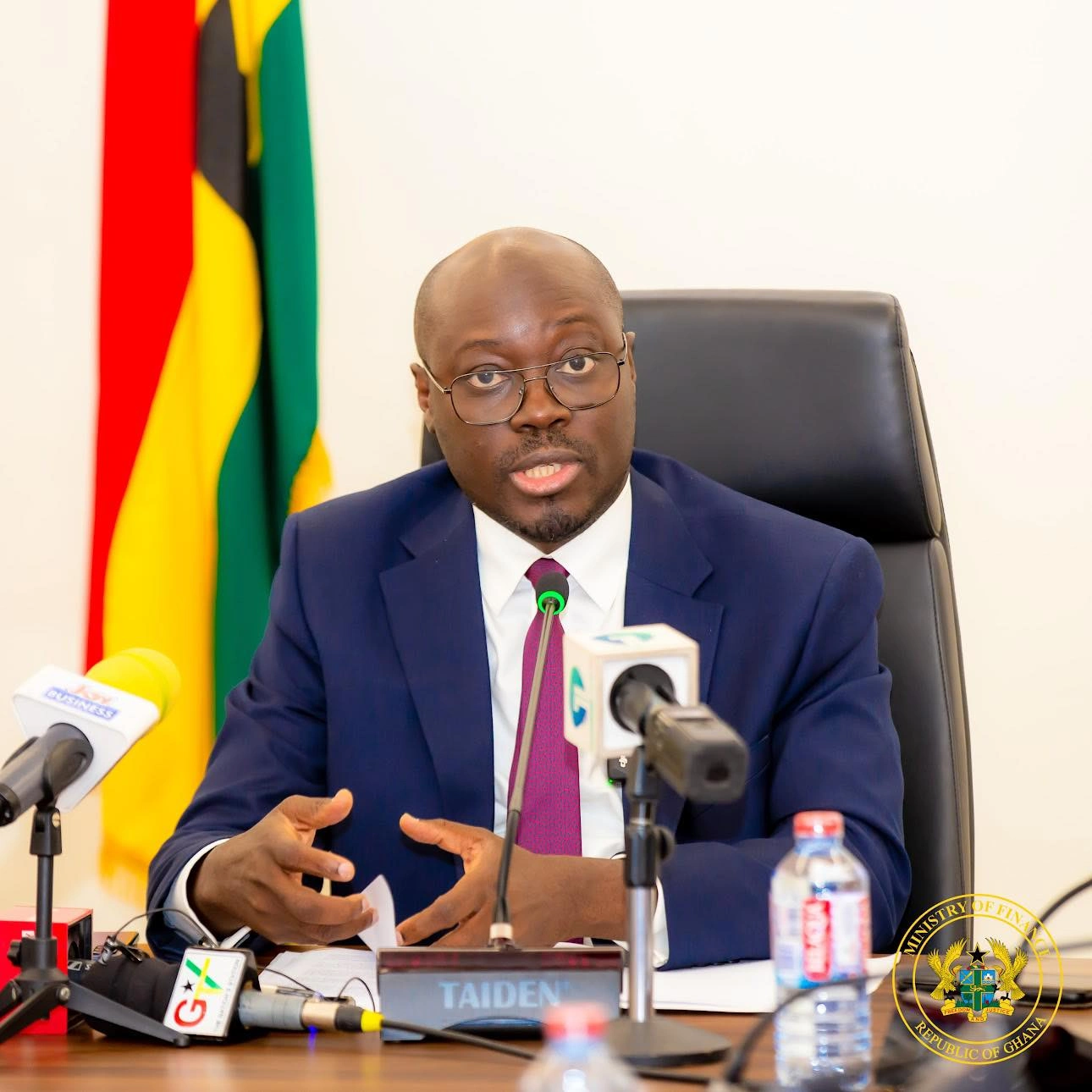
The fiscal deficit-to-GDP ratio stood at 0.3% in March 2026, while the primary balance recorded a surplus of 1.2% of GDP, according to Bank of Ghana data. Finance Minister Dr Cassiel Ato Forson has said the government intends to expand concessional borrowing, rebuild the Sinking Fund and pursue debt reprofiling and buyback programmes to improve sustainability.
“Our objective is to manage debt, not be managed by it,” Forson said during discussions on the 2026 Budget strategy. The government aims to return Ghana to a “moderate” debt distress risk category by 2028 under its IMF-supported reform programme.
Households and businesses still face pressure
Despite improving macroeconomic indicators, economists say rising debt servicing costs continue limiting fiscal space for infrastructure, healthcare and social spending. Higher borrowing costs can also affect commercial lending rates, making it more expensive for businesses and households to access credit.
“Debt sustainability is not only about reducing ratios,” said Courage Martey, economist at IC Research. “It is also about whether the economy can continue growing strongly enough to absorb financing pressures without returning to crisis conditions.” Razia Khan, Chief Economist for Africa and the Middle East at Standard Chartered, said Ghana’s fiscal recovery remained encouraging but vulnerable to external shocks and investor sentiment shifts.
“Markets have responded positively to Ghana’s reform trajectory, but maintaining credibility will depend heavily on continued fiscal discipline and macroeconomic stability,” she said during a recent regional economic briefing. The cedi’s recent recovery and moderating inflation have helped improve market sentiment after the severe debt and currency crisis that pushed Ghana into a US$3 billion IMF bailout programme in 2023.
Still, investors and ratings agencies are expected to watch closely whether Ghana can sustain fiscal discipline while maintaining growth ahead of future debt repayments and possible election-related spending pressures.
Sources: Bank of Ghana · IMF Fiscal Monitor · GBC Ghana Online · Standard Chartered. Reporting and analysis by Nukunya News Desk.
Related posts:
 IMF PCI to Strengthen Bank of Ghana’s Balance Sheet
  Ghana Nears First Non-Interest Banking Licence as BoG Warns on Fintech Trust
  Ghana exits IMF programme as government shifts focus to jobs and growth
  Appeal Court reverses GN Savings licence revocation in major BoG setback
  MTN Ghana to Start Charging Customers for MoMo-to-Bank Transfers From June 1