Nigerian Army Frees Hundreds of Boko Haram Captives in Major Borno Rescue Operation


At least 360 people abducted by Boko Haram militants in northeastern Nigeria have been freed following a military operation in Borno State, according to Nigerian authorities, although local groups dispute aspects of the rescue and say the number released may be higher.
MAIDUGURI, Nigeria
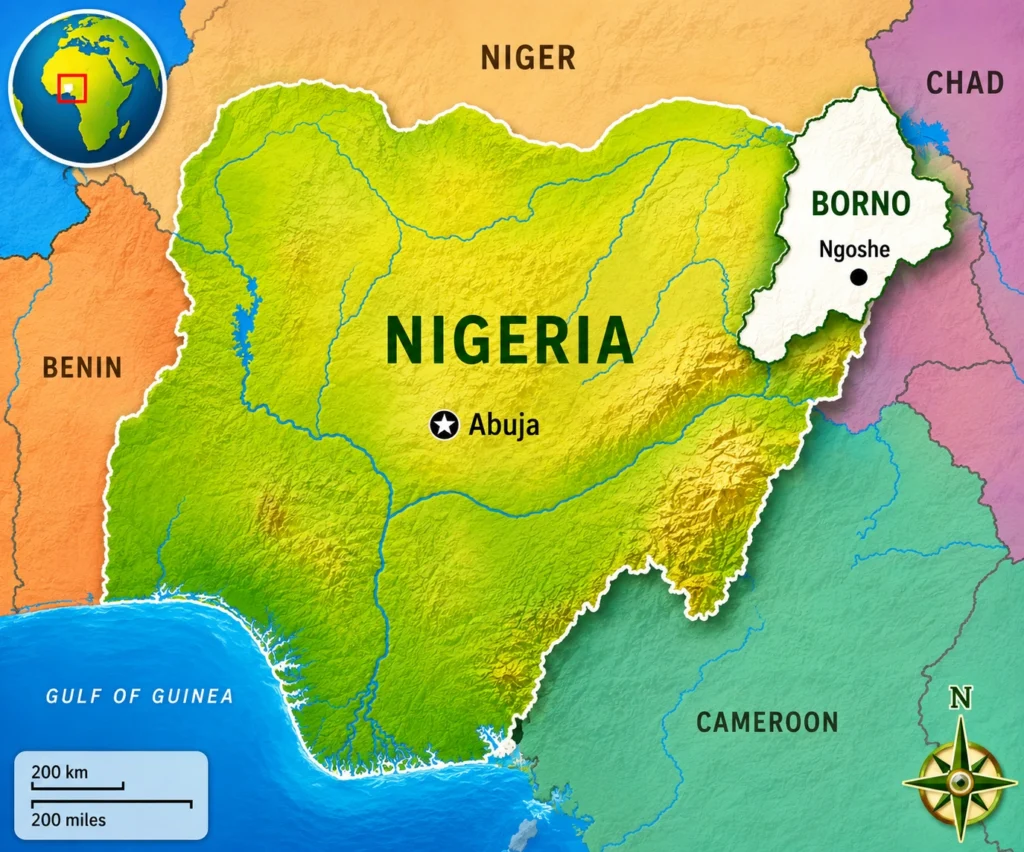
Nigeria’s military says it has secured the release of at least 360 people who were abducted by Boko Haram militants earlier this year in the country’s conflict-ridden northeastern region, marking one of the largest reported hostage recoveries in recent years. The operation took place in the Mandara Mountains of Borno State, a long-standing Boko Haram stronghold near Nigeria’s border with Cameroon. Military officials said troops launched an intelligence-led mission that culminated in the recovery of hundreds of captives who had been held under harsh conditions.
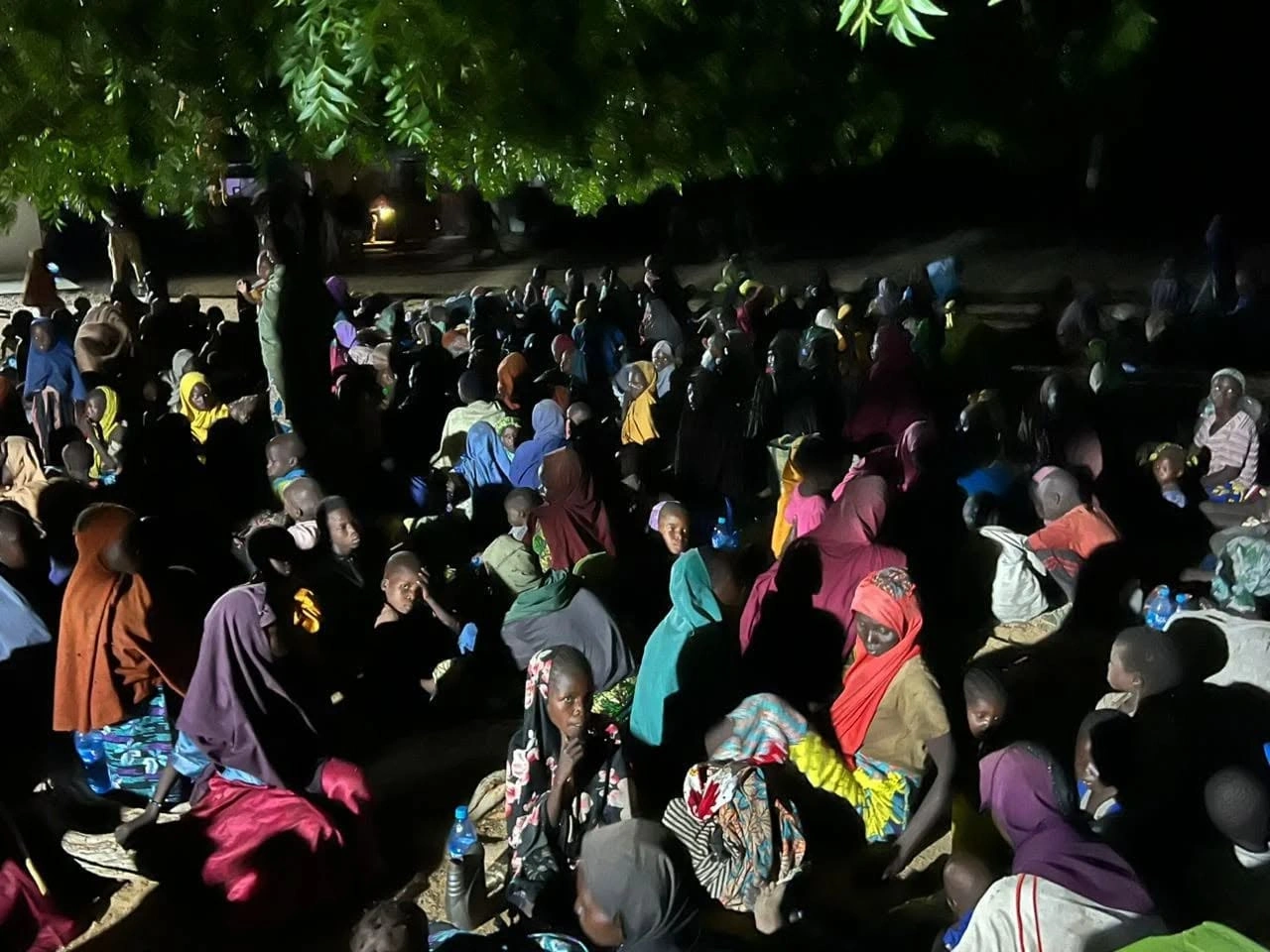
Images released by Nigerian authorities showed large groups of women and children gathered overnight after their release, awaiting medical screening and humanitarian assistance. The photographs indicate the scale of the operation, with many of the freed captives appearing to be families and minors. According to military spokesperson Lt-Col Haruna Sani, troops used intelligence gathering and psychological operations to weaken militant positions before advancing on the hideout. Several insurgents reportedly fled into the surrounding mountainous terrain while others surrendered.
However, the circumstances surrounding the release remain disputed.
While the Nigerian military says 360 captives were rescued during the operation, a local organisation, the Borno South Youth Initiative, said it played a role in mediating the captives’ unconditional release and placed the number freed at 416.
Two Infants Die During Rescue
Officials said the operation was overshadowed by the deaths of two infants.
Army spokesperson Haruna Sani said the children died from exhaustion and the harsh conditions endured during captivity and the difficult journey through the mountainous terrain. The remaining survivors were transferred to safer locations for medical treatment and humanitarian support.
The freed captives are believed to be from communities around Ngoshe, a predominantly Muslim area in Borno State that came under attack by Boko Haram fighters earlier this year.
Boko Haram’s Continuing Threat
Boko Haram launched its insurgency in northeastern Nigeria in 2009 and has been responsible for thousands of deaths, mass displacement and some of Africa’s most notorious kidnappings, including the abduction of more than 200 schoolgirls from Chibok in 2014. Many of those girls remain unaccounted for.
Although the group has lost much of the territory it once controlled, it remains active alongside rival extremist factions, including the Islamic State West Africa Province (ISWAP), continuing to pose a major security challenge in the Lake Chad region.
Nigeria’s government has intensified military operations against both groups. Last month, Nigerian and US authorities announced the killing of a senior Islamic State-linked militant leader in a joint operation.
Regional Security Concerns
Security analysts warn that instability in northern Nigeria remains a concern not only for Nigeria but for the wider West African region.
Borno State has become the epicentre of a prolonged security crisis involving Islamist insurgents, criminal kidnapping networks and armed groups. According to humanitarian organisations, the conflict has displaced millions of people and left entire communities vulnerable to repeated attacks.
The latest rescue operation represents a significant tactical success for Nigerian security forces. However, analysts caution that lasting stability will depend on broader efforts to address governance challenges, economic hardship and the underlying drivers of extremism in the region.
Why This Matters
The release of hundreds of captives highlights both the continuing threat posed by Boko Haram and the scale of Nigeria’s ongoing counter-insurgency efforts. It also underscores broader security concerns across West Africa as governments attempt to contain extremist violence spreading across the Sahel and Lake Chad Basin.
Related posts:
 Documents Reveal Shell Poured Oil Through Damaged Nigeria Pipelines for Years Despite Poll
  Four Sentenced to Death Over Nigeria’s Deadly Owo Church Attack
  Ghana Pushes Border Cooperation as Sahel Insecurity Raises Regional Security Risks
  Avenor Building Collapse Kills Two as Officials Demand Tougher Enforcement of Building Regulations
  Israel Launches Strikes Inside Iran After Missile Attack as Regional Tensions Escalate