FIFA World Cup 2026 Visa Dispute Raises Questions Over Access, Fairness and the Future of Global Football

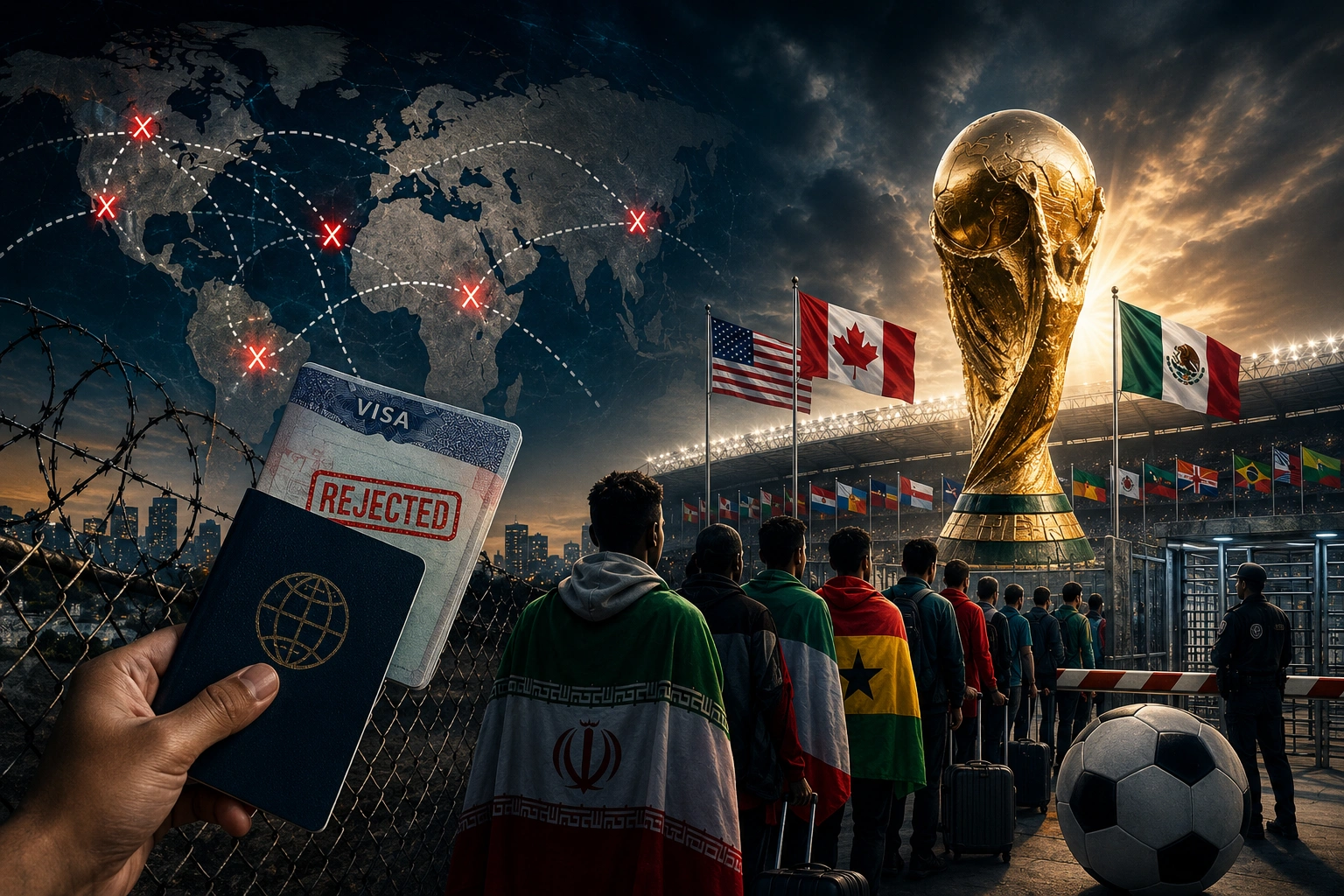

As the FIFA World Cup begins across the United States, Canada and Mexico, growing concerns over US visa restrictions, travel barriers and entry denials are casting a shadow over what FIFA has billed as the largest tournament in football history. Journalists, fans and even members of national team delegations say access to the competition is becoming increasingly unequal.
The FIFA World Cup 2026 was supposed to be a celebration of football’s global reach. Instead, just days before kick-off, concerns over visas, travel restrictions and border controls are dominating discussions among fans, journalists and football officials across several continents. From Iran to Iraq, Senegal to Ghana, questions are being raised about whether supporters, media professionals and team officials from some countries are being placed at a disadvantage despite the tournament’s promise of inclusivity and global participation.
Iran’s World Cup Preparations Disrupted
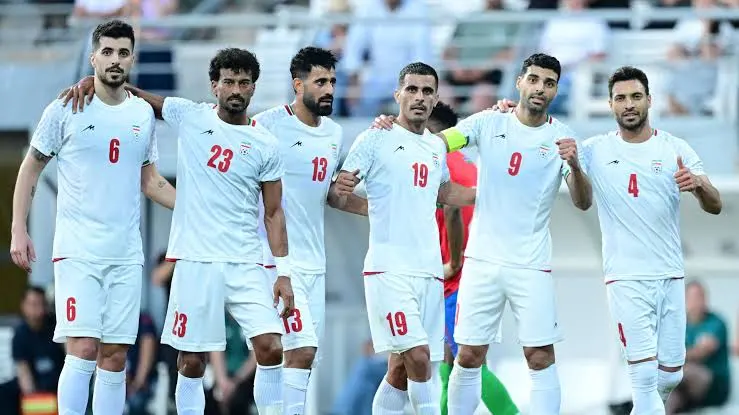
Among the most prominent disputes involves Iran, whose football federation has accused the United States of failing to issue visas to key members of the national team’s delegation. According to reports, all players eventually received visas shortly before the tournament began, but several managerial, administrative and technical staff members were denied entry. Iranian officials said around 15 members of a 70-person delegation travelling to Mexico ahead of the tournament had not received the necessary visas to enter the United States.
Iranian authorities described the situation as discriminatory and argued that it undermines FIFA’s obligations as the organiser of a global sporting event. The dispute comes against the backdrop of heightened tensions between Washington and Tehran, adding a geopolitical dimension to what would ordinarily be a sporting competition. US authorities have maintained that visas necessary for competition have been issued and that national security considerations remain an integral part of the country’s immigration system.
Journalists Warn of Press Freedom Concerns
The controversy extends beyond football teams. The International Sports Press Association (AIPS), which represents sports journalists worldwide, has called on FIFA to intervene after accredited reporters reported difficulties obtaining visas for tournament coverage.
In a letter to FIFA officials, AIPS President Gianni Merlo said journalists from several countries, including Iran and multiple African nations, were facing visa challenges despite holding FIFA accreditation. The organisation argued that accredited journalists play a vital role in covering major sporting events and warned that restrictions on media access risk undermining the global nature of the tournament. The concerns are particularly significant because FIFA has repeatedly promoted the 2026 tournament as the most accessible and internationally representative World Cup ever staged.
Fans Face High Rejection Rates
Perhaps the greatest impact is being felt by ordinary supporters. Reporting by the BBC found that fans from several qualifying nations are encountering visa obstacles, lengthy waiting times and uncertainty over whether they will be able to attend matches despite purchasing tickets and making travel arrangements.
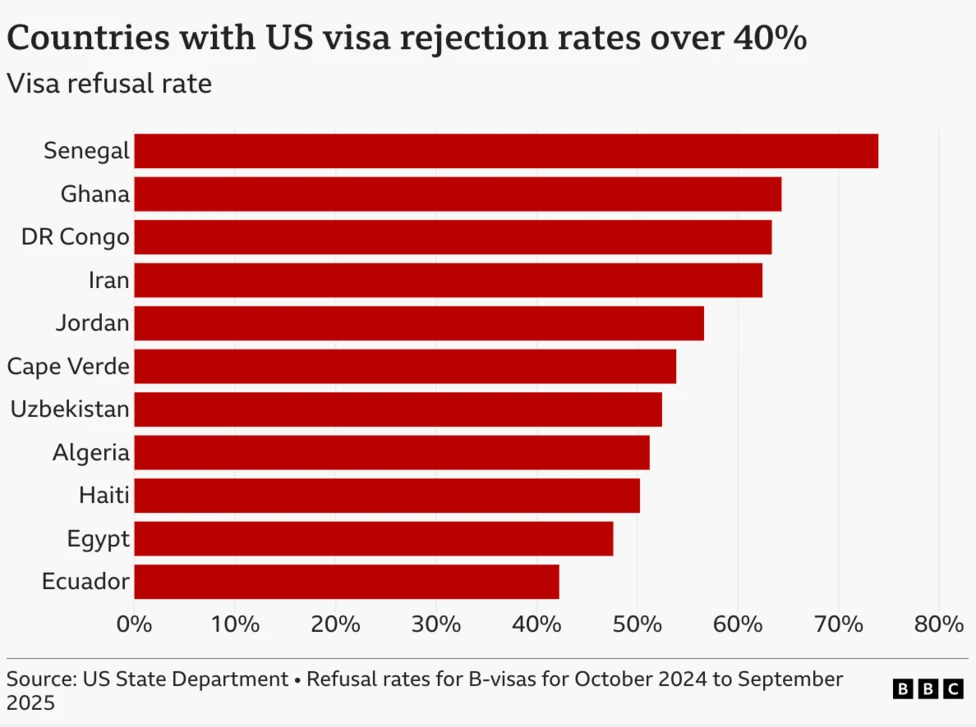
The challenge is especially acute for supporters from countries facing relatively high US visitor visa refusal rates. A BBC analysis of US State Department data found that several World Cup-qualified nations recorded visitor visa refusal rates above 40 per cent, including Senegal, Ghana, DR Congo, Iran, Jordan and Cape Verde. A chart included in the BBC report showed Senegal and Ghana among the countries with the highest refusal rates. Fans interviewed by the BBC described spending hundreds or thousands of dollars on travel plans without certainty that visas would be approved. Others argued that countries whose supporters face significant travel barriers should not be disadvantaged in a tournament intended to unite the world through sport.
The US Response
The United States government says extensive preparations are underway to facilitate travel for legitimate visitors. Official guidance published by the US State Department urges supporters to apply early for visas and highlights the FIFA Priority Appointment Scheduling System (PASS), which provides eligible ticket holders with access to expedited visa interview opportunities.
US officials have also stressed that national security screening remains a central component of the visa process and that possessing a visa does not automatically guarantee entry into the country, as final decisions rest with border authorities. The administration has argued that most overseas supporters will be able to use existing visa arrangements or visa-waiver programmes and that preparations for the tournament remain on track.
What This Means for Africa
For African nations, the debate touches on a wider issue that extends beyond football. Many supporters, journalists and business travellers across the continent have long complained about visa inequalities, high rejection rates and lengthy application procedures when travelling to wealthier countries.
The World Cup has brought those concerns into sharp focus because the tournament is meant to represent one of the world’s most inclusive events. African countries represented at the tournament include Ghana, Senegal, Morocco, Egypt, Algeria, Tunisia, South Africa, Cape Verde and DR Congo. For many supporters, attending the World Cup is a once-in-a-lifetime opportunity.
The concern among critics is not simply whether fans can obtain visas, but whether access to the world’s biggest sporting stage is becoming uneven depending on nationality and passport strength.
The Bigger Question for FIFA
The controversy raises an uncomfortable question for football’s governing body. Can a truly global tournament succeed if players, officials, journalists and supporters face unequal access to host countries?
FIFA has spent years positioning football as a force that transcends politics, borders and conflict. Yet the visa disputes surrounding the 2026 World Cup suggest that geopolitical realities continue to shape who can participate in the global game and on what terms. As the tournament unfolds, the football itself may eventually dominate headlines. But the debate over access, mobility and fairness is likely to remain one of the defining off-field stories of World Cup 2026.
Why This Story Matters
The issue goes beyond football. It highlights growing tensions between national security policies and the promise of global sporting events. For African countries, it also exposes long-standing concerns about mobility, visa inequality and participation in international opportunities.
Related posts:
 The Senegal Model: How Africa’s Most Consistent Football Nation Became a World Cup Contender
  Tottenham’s Mohammed Kudus ruled out of 2026 World Cup with injury
  Ghana Coach Queiroz Stands By Partey’s Inclusion Ahead of World Cup
  FIFA Targets End of Delayed Offside Flags at 2026 World Cup
  Asamoah Gyan: Antoine Semenyo Is the Face of Ghana Football Now