
Ghana’s e-visa system launches nationwide after GIS training

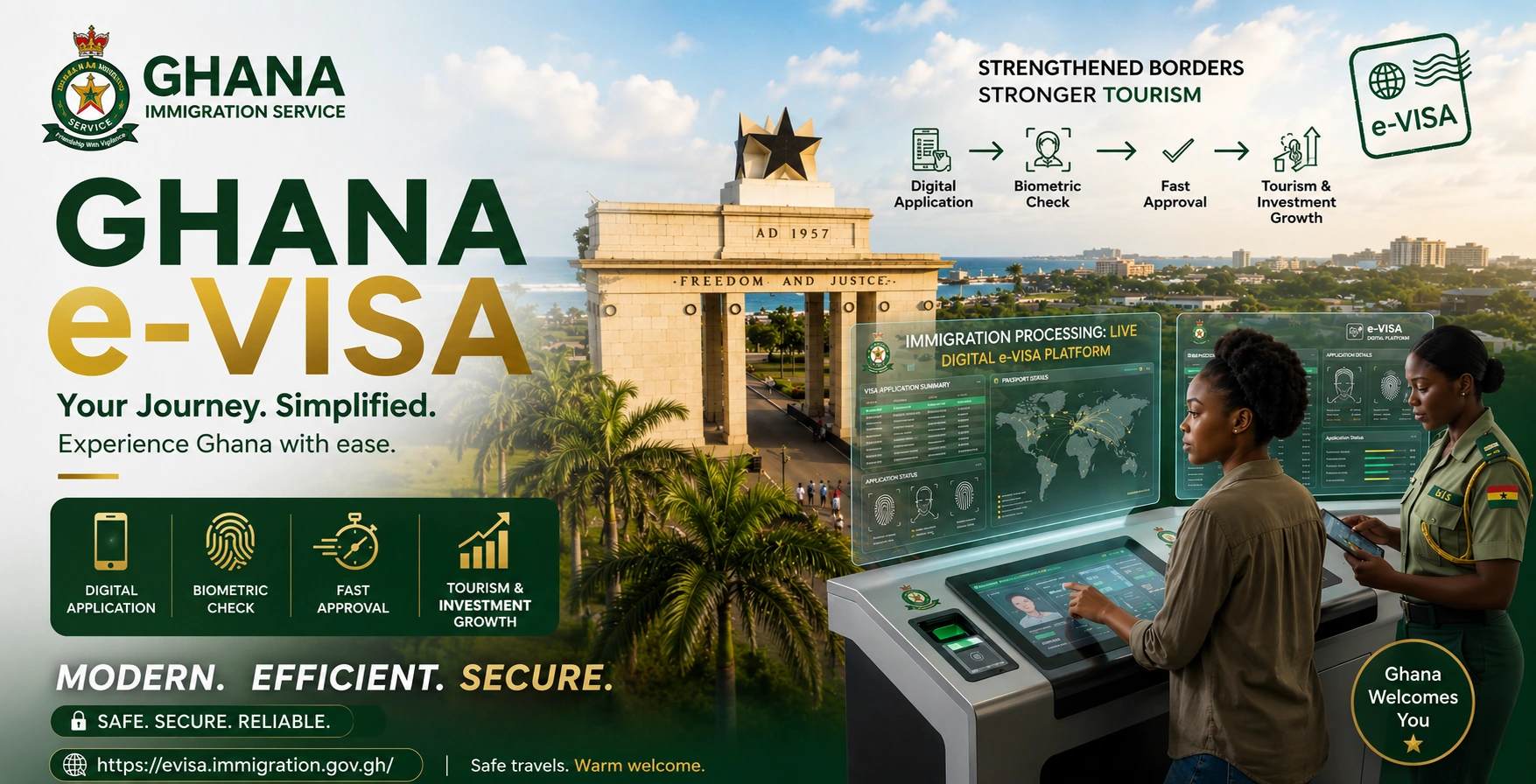

The Ghana Immigration Service (GIS) says the new digital visa platform is expected to speed up traveller processing, strengthen border controls and support tourism and investment.
ACCRA, Ghana —
Ghana will begin nationwide electronic visa processing next week after the Ghana Immigration Service (GIS) completed training for 40 officers expected to oversee the country’s new digital visa platform. The Ghana e-visa system, scheduled to launch on 25 May, is intended to allow foreign nationals to apply for visas online and complete parts of the immigration process digitally before travelling to the country. Immigration officials say the system forms part of broader efforts to modernise border management and improve processing efficiency at entry points.
The two-day training session in Accra brought together officers from immigration control posts across Ghana. Participants were taken through digital application workflows, document verification procedures, online payment systems and monitoring protocols linked to the new platform. Acting Deputy Comptroller-General of Immigration in charge of Command Post and Operations, Mr Faisal Disu, said officers handling the system would be expected to maintain high standards of professionalism and data protection. “The system is anchored on transparency and accountability,” Mr Disu said during the opening session. “Data protection must remain a core responsibility of every officer.”
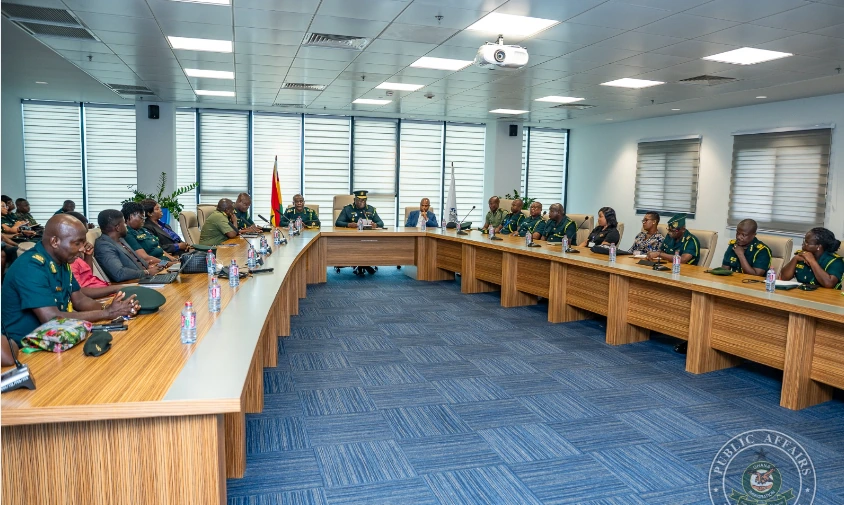
Ghana’s e-visa system expected to change visa processing
The Ghana e-visa system is expected to become the first point of contact for many foreign travellers entering the country. Officials say the platform could reduce reliance on manual paperwork while improving oversight of applications and traveller information. GIS said the system would generate digital records intended to support border management, passenger processing and security coordination. Authorities also said the platform would include monitoring mechanisms and audit trails designed to strengthen accountability within immigration operations.
Mr Disu said the electronic visa initiative reflected wider institutional reforms within the service. “A transparent and user-friendly system can improve the experience of travellers while supporting tourism, business and investment,” he said. The immigration service did not immediately provide detailed information on whether the rollout would apply to all visa categories from launch day or whether some applications would continue to be processed through Ghanaian diplomatic missions abroad.
Officials also did not specify expected visa processing timelines under the new system or whether contingency measures had been prepared in the event of technical disruptions during the initial phase of implementation.
Regional push towards digital border management
Ghana joins a growing number of African countries adopting digital immigration systems as governments seek to modernise travel administration and border controls. Kenya, Rwanda and Ethiopia have introduced electronic visa systems in recent years to simplify visa processing and reduce administrative delays linked to paper-based applications. Several governments across the continent accelerated digital migration reforms after the COVID-19 pandemic disrupted international travel and border operations.
Technology and immigration analysts say electronic visa systems can improve efficiency when supported by stable infrastructure, cybersecurity protections and properly trained personnel. Dr Kwame Asiedu, a Ghana-based digital governance analyst, said the success of the Ghana e-visa system would depend heavily on operational reliability during the early stages of implementation.
“Digital immigration systems can improve transparency and reduce delays, but they also create cybersecurity and operational risks if systems are not properly maintained,” he said.
He added that countries introducing online visa systems often face initial challenges involving internet reliability, payment verification, data security and coordination between airports, embassies and immigration authorities. Cybersecurity consultant Selorm Branttie said immigration databases could become targets for fraud or identity theft if digital safeguards are not updated consistently. “Border systems carry highly sensitive personal information,” he said. “Any digital rollout must be matched by strong cybersecurity oversight and rapid incident response capability.”
Travellers and businesses watching rollout closely
Travel operators and businesses linked to tourism say the success of the Ghana online visa application system could influence how foreign visitors experience entry procedures in the country. Akosua Mensah, a travel consultant in Accra who assists clients with visa documentation, said processing delays under traditional systems had occasionally affected travellers attending conferences and business events.
“Some clients become anxious when approvals arrive late or communication is unclear,” she said. “If the online system works efficiently, it could reduce uncertainty for travellers.” Tourism operators say faster and more predictable visa procedures could support international conferences, investment events and regional business travel into Ghana.
At Kotoka International Airport, some travellers and transport operators said they were cautiously optimistic about the digital transition but warned that technical disruptions or unclear instructions during the early stages could create confusion for visitors unfamiliar with the system. GIS management said additional training exercises, system upgrades and operational reviews would continue after the launch date as authorities monitor implementation nationwide.
Senior immigration officials, departmental heads and private-sector representatives attended the opening ceremony in Accra, including Acting Deputy Comptroller-General (Legal) Philip Peter Andoh and Rock Africa Chief Executive Francis Gavor. Immigration authorities said they would closely monitor the first weeks of the rollout as travellers begin using the new digital platform across Ghana’s major entry points.
Sources: GNA
Related posts:
 NER: 2 Arrested as 118 Bags of Cocoa Are Hidden Under Plantains
  Avenor Building Collapse Kills Two as Officials Demand Tougher Enforcement of Building Regulations
  Europe-Bound KLM Flight Returns to Accra Shortly After Takeoff as Questions Remain Over Mid-Air Incident
  Police Question Truck Driver After Multi-Vehicle Crash on Accra Ring Road
  Five arrested after police recover firearms and ammunition in Accra intelligence operation