How New UK, US and EU Immigration Rules Are Affecting Ghanaians Abroad



Why Immigration Rules Are Tightening Across the West
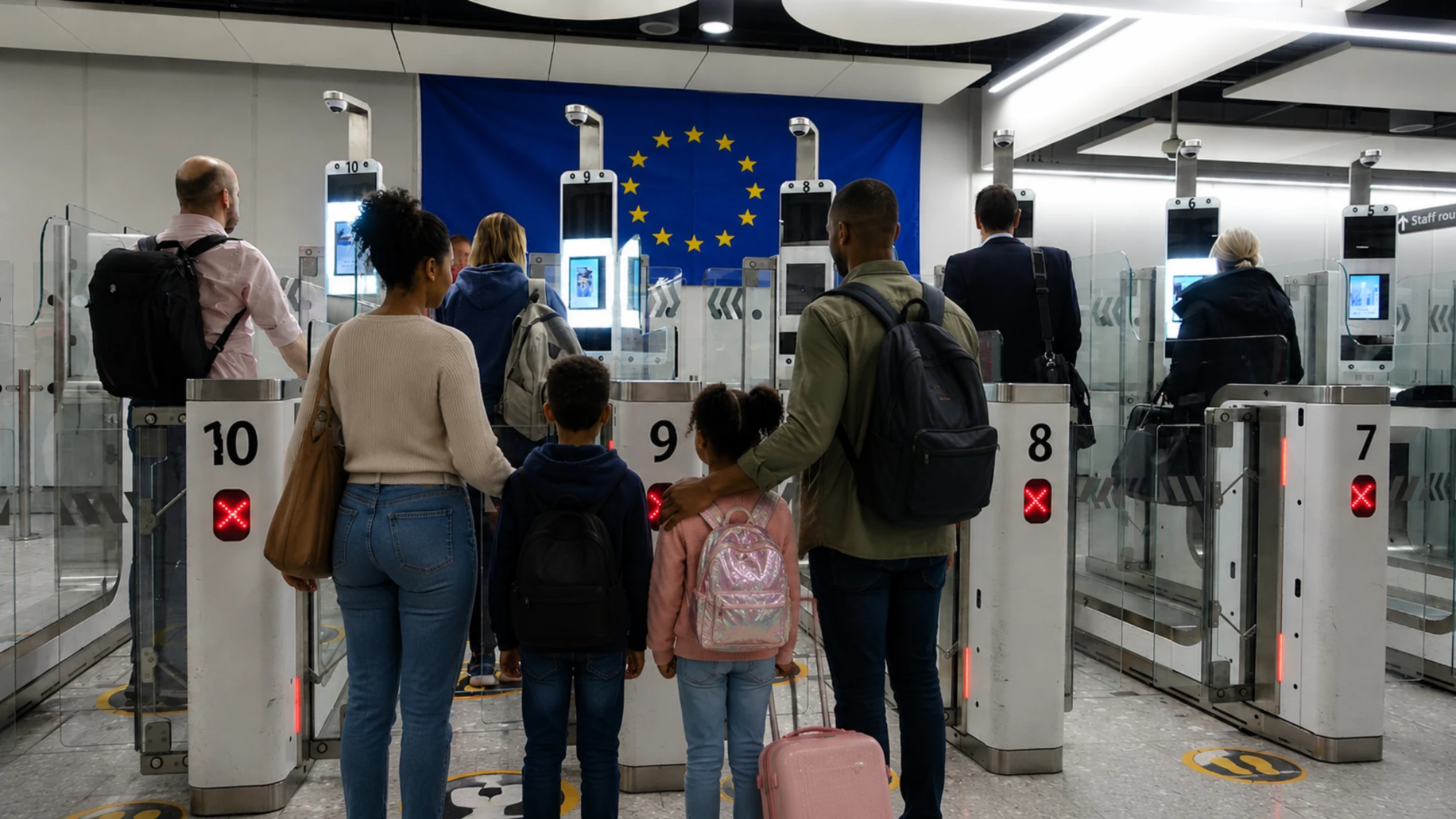
Western governments are currently overhauling their migration frameworks to address a combination of border pressures, labour market concerns, and national security interests. In the United Kingdom, the government is focusing on stricter controls over who can enter and stay, with a heavy emphasis on visa changes that prioritise high-skilled labour. Similarly, the European Commission is implementing the Pact on Migration and Asylum, a comprehensive set of rules designed to manage migration in the long term through common asylum standards and more efficient return policies for those who cannot legally stay.
How UK Visa Changes Are Affecting Ghanaian Students and Skilled Workers
The UK remains a primary destination for the Ghanaian diaspora, but recent reforms have complicated the path. According to GOV.UK, the transition to eVisas and the requirement for an Electronic Travel Authorisation (ETA) for specific visitors represent a shift toward a digitised border. For Ghanaian students and professionals, the Skilled Worker visa and Student visa pathways now require stricter compliance with financial and sponsorship thresholds. The removal of the right for many students to bring dependants and the tightening of salary requirements for work visas have forced many in the diaspora to reassess their long-term settlement plans and recruitment pathways.
United States: Enforcement and Legal Integrity in Immigration
Recent actions by U.S. Citizenship and Immigration Services (USCIS) and the Department of Justice (DOJ) signal a heightened focus on the integrity of the legal migration system. On May 14, 2026, USCIS announced the denaturalisation of 12 individuals for serious offences, including concealing war crimes, espionage, and providing material support to terrorist groups. Additionally, a suburban Chicago man was sentenced to nine years in prison for immigration fraud and other criminal offences. These enforcement measures emphasise that the U.S. is prioritising the removal of individuals who circumvent legal processes or pose security risks, impacting how all migrant communities, including Ghanaians, navigate the legal landscape.
What the New EU Migration Pact Means for African Migrants
The European Commission’s Pact on Migration and Asylum aims to establish a unified system across all Member States. For African migrants, this means more streamlined but rigid asylum procedures and a “common policy on return and readmission” for those who do not meet legal residency criteria. The EU is also focusing on legal migration through the EU Immigration Portal, which provides specific guidance for those wishing to work, study, or research. While the pact seeks to offer “open and fair” treatment for asylum seekers, its emphasis on irregular migration prevention and migrant smuggling suggests tighter border controls at the EU’s external frontiers.
Global Humanitarian Focus: Conflict and Public Health Impact
International crises continue to strain global migration frameworks and drive the need for asylum. The BBC reports a new outbreak of Ebola in the Democratic Republic of Congo, which has already claimed lives and spread to neighbouring Uganda. Simultaneously, ongoing conflicts in Ukraine and the Middle East have led the UK and EU to develop specific protection schemes, such as the UK’s Ukraine Permission Extension scheme. For the Ghanaian diaspora, these global events often result in shifted bureaucratic priorities and increased competition for humanitarian resources as Western nations balance diverse protection needs.
The Financial and Social Impact on Ghanaian Diaspora Communities
Changes to migration policies directly affect the remittances that support the Ghanaian economy. As student visa changes and stricter family reunification rules make it harder for families to settle together, many Ghanaians abroad are facing rising costs and administrative hurdles. This social strain is compounded by the “brain drain” versus “brain gain” debate, where the skilled worker visa requirements in the UK and EU favour highly educated professionals, potentially pulling vital talent away from Ghana’s local workforce.
What Ghanaian Migrants Should Watch Next
As new immigration rules affecting Ghanaians abroad continue to evolve, staying informed through official channels is critical. Key developments to monitor include:
- Digital Shifts: The full implementation of the UK’s eVisas and ETA systems.
- EU Policy Implementation: The rollout of the Pact on Migration and Asylum’s relocation mechanisms.
- US Policy Adjustments: Continued enforcement actions regarding denaturalization and fraud prevention.
Conclusion: Navigating a Complex Regulatory Future
The landscape for Ghanaians abroad is becoming increasingly digitised and regulated. The UK’s shift to online immigration status and the EU’s unified migration pact are replacing the era of flexible migration with data-driven enforcement. To ensure compliance and successful settlement, members of the diaspora must regularly consult the EU Immigration Portal and GOV.UK for the latest policy updates. Proactive engagement with these official resources is the only way to navigate the legal complexities of modern international mobility.
Related posts:
 32 Ghanaians Listed in US Homeland Security ‘Worst of the Worst’ Database as Immigration Enforcement Intensifies
  Ghana Evacuates 345 More Citizens from South Africa as Other African States Study Rescue Plan
  Kelvin Owusu Nkwantabisa Sentenced to 17 Years in US$38 Million Email Fraud Case
  US Judge Strikes Down Trump Immigration Restrictions Affecting 39 Countries
  Ghana Offers Jobs and Compensation as South Africa Evacuation Reaches 637 Citizens