
Nvidia’s RTX Spark Could Change the Future of Windows PCs


Nvidia’s RTX Spark Could Change the Future of Windows PCs
For years, Nvidia has been known primarily for gaming graphics cards. More recently, it has become the company powering the global artificial intelligence boom, supplying the chips behind many of the world’s largest AI systems.
Now Nvidia is bringing that AI expertise directly to personal computers.
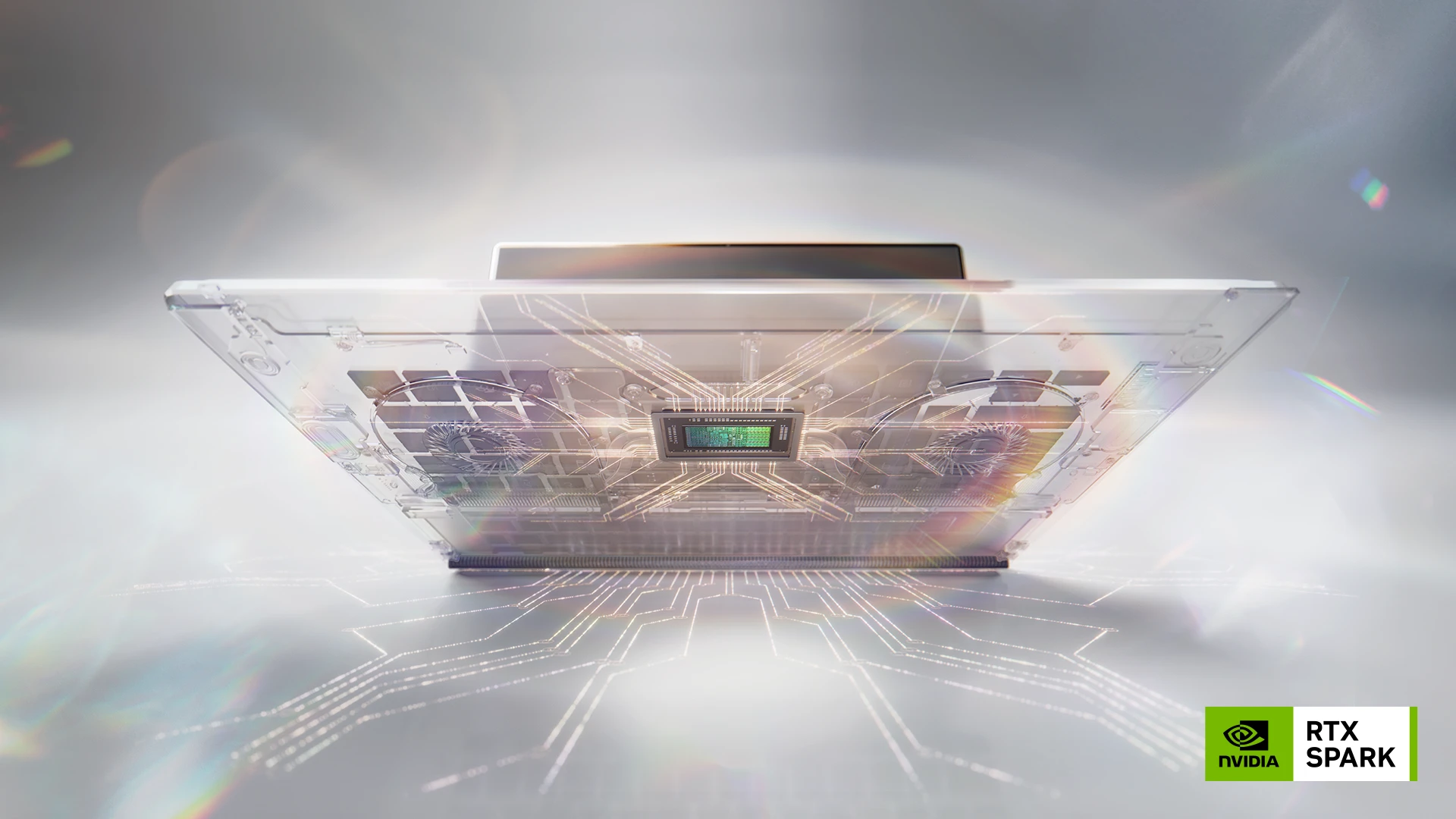
The company has unveiled RTX Spark, a new Arm-based processor designed specifically for the next generation of Windows PCs. Developed in partnership with MediaTek and Microsoft, RTX Spark is being positioned as more than just another computer chip. Nvidia says it is the foundation for a new category of AI-powered PCs capable of running intelligent agents, advanced creative tools, and large AI models directly on a user’s device.
The announcement signals Nvidia’s most ambitious return to the consumer PC market in years.
A New Direction for Personal Computing
According to Nvidia CEO Jensen Huang, traditional computers have remained largely unchanged for decades. Users launch applications, type commands, and manually complete tasks.
RTX Spark is designed around a different idea.
Instead of simply opening software, users will increasingly interact with AI agents that can understand requests, automate workflows, and complete tasks on their behalf.
“With RTX Spark and Microsoft Windows, you ask and the PC does the work,” Huang said during the announcement.
The vision closely mirrors a growing industry trend where AI assistants move beyond answering questions and begin acting as digital teammates.
Built for AI From the Ground Up
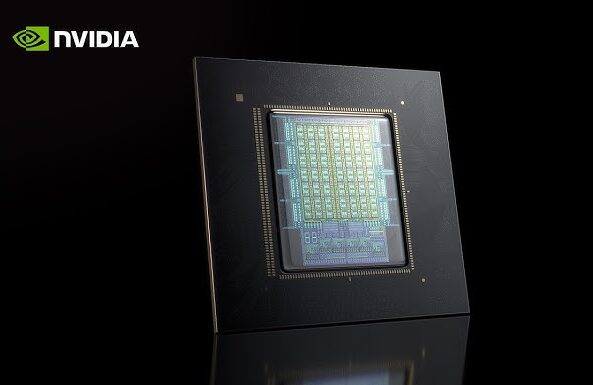
At the heart of RTX Spark is a custom Nvidia Grace CPU developed alongside MediaTek and paired with Nvidia’s Blackwell graphics architecture.
The chip combines a 20-core processor with up to 6,144 GPU cores and support for as much as 128GB of unified memory.
While those specifications are impressive on paper, the bigger story is what they enable.
Nvidia says RTX Spark PCs will be capable of running large AI models locally, generating videos and images, handling complex creative workloads, and supporting advanced AI agents without relying entirely on cloud services.
The company claims users will be able to run AI models with up to 120 billion parameters directly on their machines while also handling demanding creative applications and gaming workloads.
Microsoft’s AI Vision Comes Into Focus
The launch also highlights Microsoft’s growing focus on AI-powered computing.
Microsoft and Nvidia are working together to build what they describe as a secure platform for personal AI agents on Windows. These agents could manage files, coordinate tasks, automate workflows, search across applications, and perform actions on behalf of users while remaining under their control.
The companies say new security features and Nvidia’s OpenShell technology will help ensure these agents operate safely and privately.
Microsoft CEO Satya Nadella described the goal as delivering “unmetered intelligence to every home and every desk.”
That statement offers perhaps the clearest indication yet of where Microsoft believes personal computing is heading.
A Potential Challenge to Apple and Qualcomm
RTX Spark also places Nvidia directly into competition with companies that currently dominate Arm-based computing.
Apple has successfully transitioned its Mac lineup to its own Arm-based silicon, while Qualcomm’s Snapdragon processors currently power most Windows-on-Arm devices.
Nvidia enters the market with significant advantages.
Its graphics technology is already widely used by gamers, creators, and AI developers. RTX Spark also includes support for technologies such as CUDA, DLSS, TensorRT, Reflex, and OptiX, giving developers access to an established software ecosystem.
If Nvidia can deliver strong real-world performance and competitive battery life, RTX Spark could become one of the most serious challengers yet to both Apple Silicon and Qualcomm’s Snapdragon platform.
Why Creators and Developers Are Paying Attention
One of the most interesting aspects of the announcement is the level of support from software companies.
Adobe says it is redesigning portions of Photoshop and Premiere Pro to take advantage of RTX Spark’s architecture. Other companies including Blackmagic Design, Blender, ComfyUI, CapCut, and OTOY are also supporting the platform.
For content creators, this could mean faster AI-powered editing, improved video rendering, enhanced image generation, and the ability to handle larger projects on portable devices.
AI developers may benefit even more.
The combination of Nvidia’s AI software stack and large unified memory pool could make RTX Spark laptops attractive machines for running AI models locally without requiring expensive workstations.
The Bigger Picture
The most important takeaway from Nvidia’s announcement isn’t the hardware specifications.
It’s what the company believes the future of computing looks like.
For years, the PC has been defined by applications. Nvidia and Microsoft are betting that the next era will be defined by AI agents that work alongside users, automate routine tasks, and help manage increasingly complex digital lives.
Whether consumers are ready for that future remains to be seen.
But one thing is clear: Nvidia is no longer content with powering AI behind the scenes. With RTX Spark, the company wants to bring that intelligence directly onto the devices people use every day.
And if the technology delivers on its promises, the next generation of Windows PCs could look very different from the ones we use today. Read more from Tech
Related posts:
 US Expands AI Safety Testing Before Public Release of New Models
  Google I/O 2026: Google Unveils Gemini 3.5, AI Search and New AI Tools
  Nvidia ramps up Taiwan spending to $150bn a year as AI race intensifies
  Florida Becomes First US State to Sue OpenAI Over ChatGPT Safety Allegations
  Microsoft Scout