
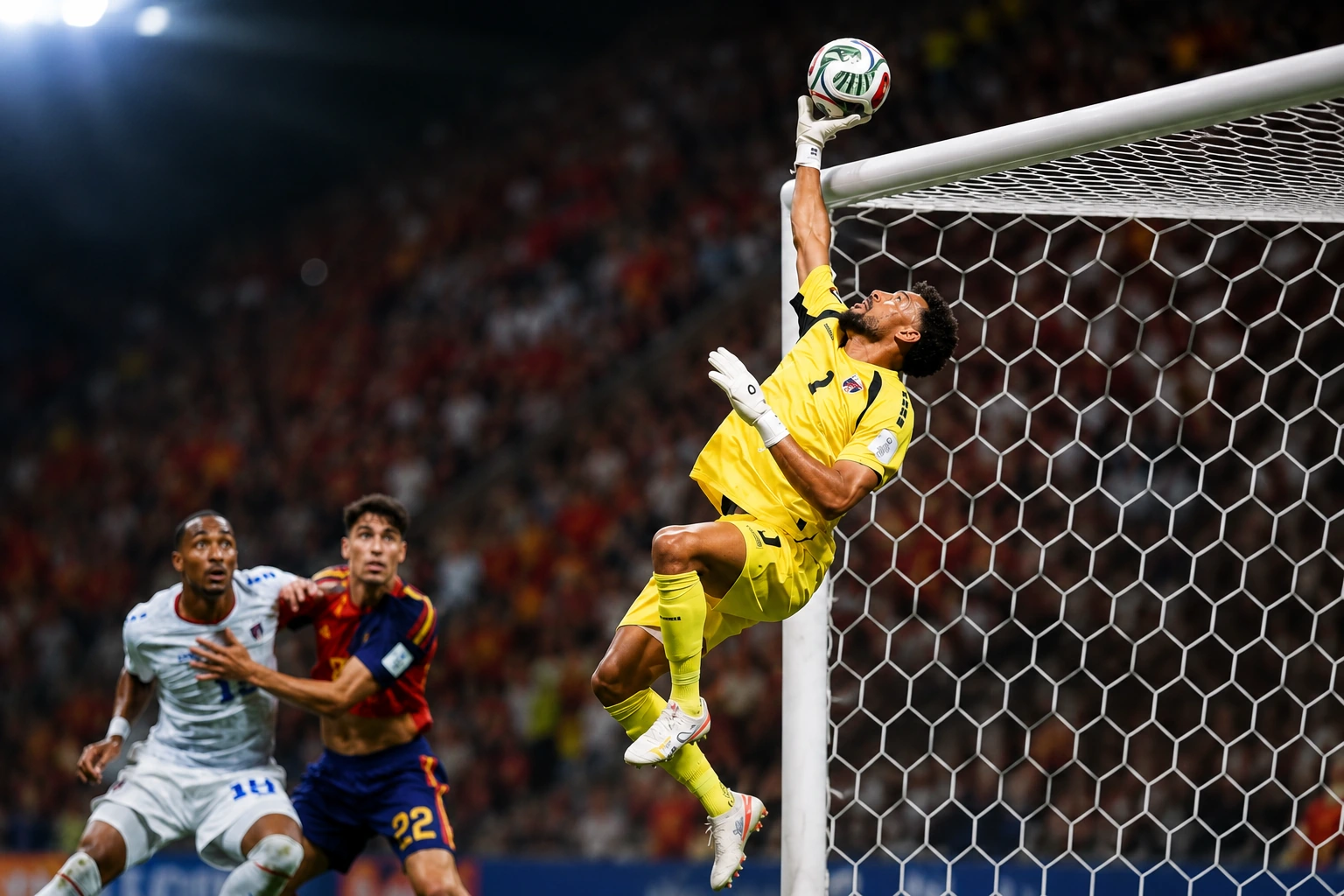
Cape Verde Hold Spain to Historic Draw in World Cup Debut


Follow Nukunya
Get the latest breaking news and updates from Nukunya.
World Cup debutants Cape Verde earned a historic point after holding European champions Spain to a goalless draw in Atlanta. The result transformed Group H, highlighted the growing strength of African football and handed the tournament one of its first major surprises.
ATLANTA, United States – World Cup debutants Cape Verde held European champions Spain to a remarkable 0-0 draw on Monday, producing one of the biggest surprises of the tournament’s opening week and earning the African nation a historic point in its first appearance on football’s biggest stage.
The result came despite a gulf in experience and reputation. Spain entered the tournament as reigning European champions and one of the favourites for the title, while Cape Verde arrived in the United States for the first World Cup appearance in the country’s history. The draw was achieved despite a 65-place gap in the FIFA world rankings.
At the centre of the achievement was 40-year-old goalkeeper Vozinha, whose series of outstanding saves frustrated Spain throughout the match. After the final whistle, the veteran was overcome with emotion as teammates celebrated around him, reflecting the significance of the result for a nation of just over half a million people.
Spain dominated possession, controlled territory and created numerous opportunities but could not find a way past Cape Verde’s disciplined defence. Instead, the African side left Atlanta with one of the most memorable results in its football history.
Vozinha Leads a Defensive Masterclass
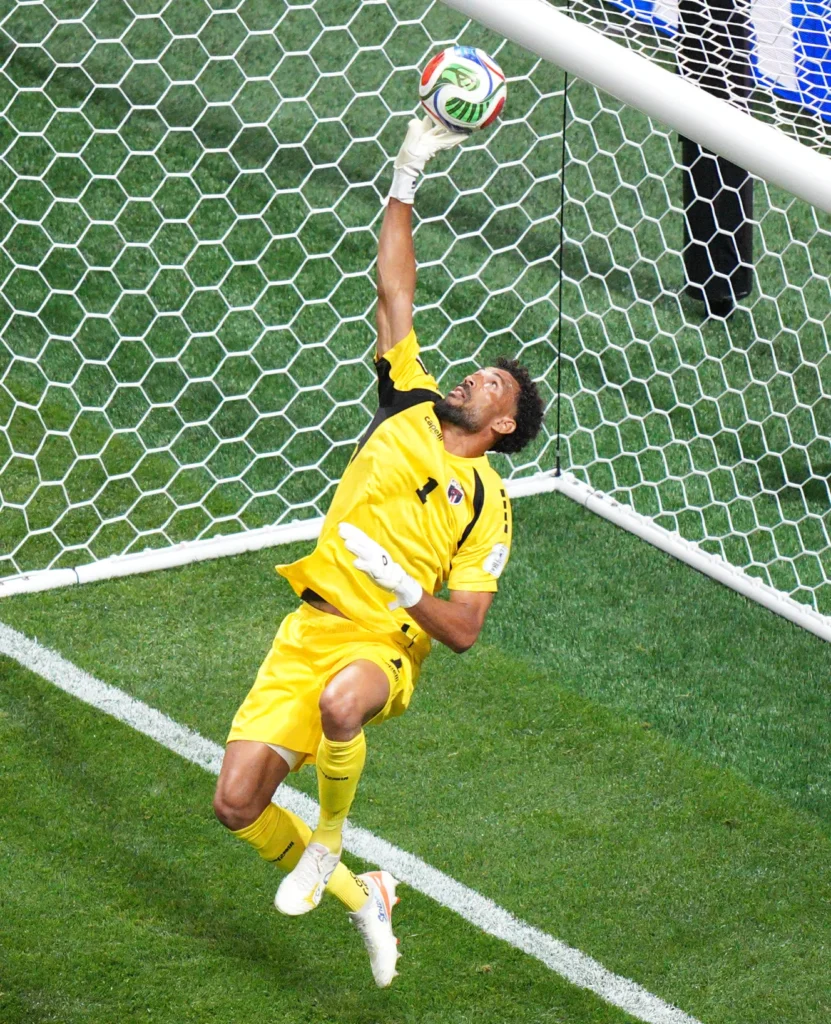
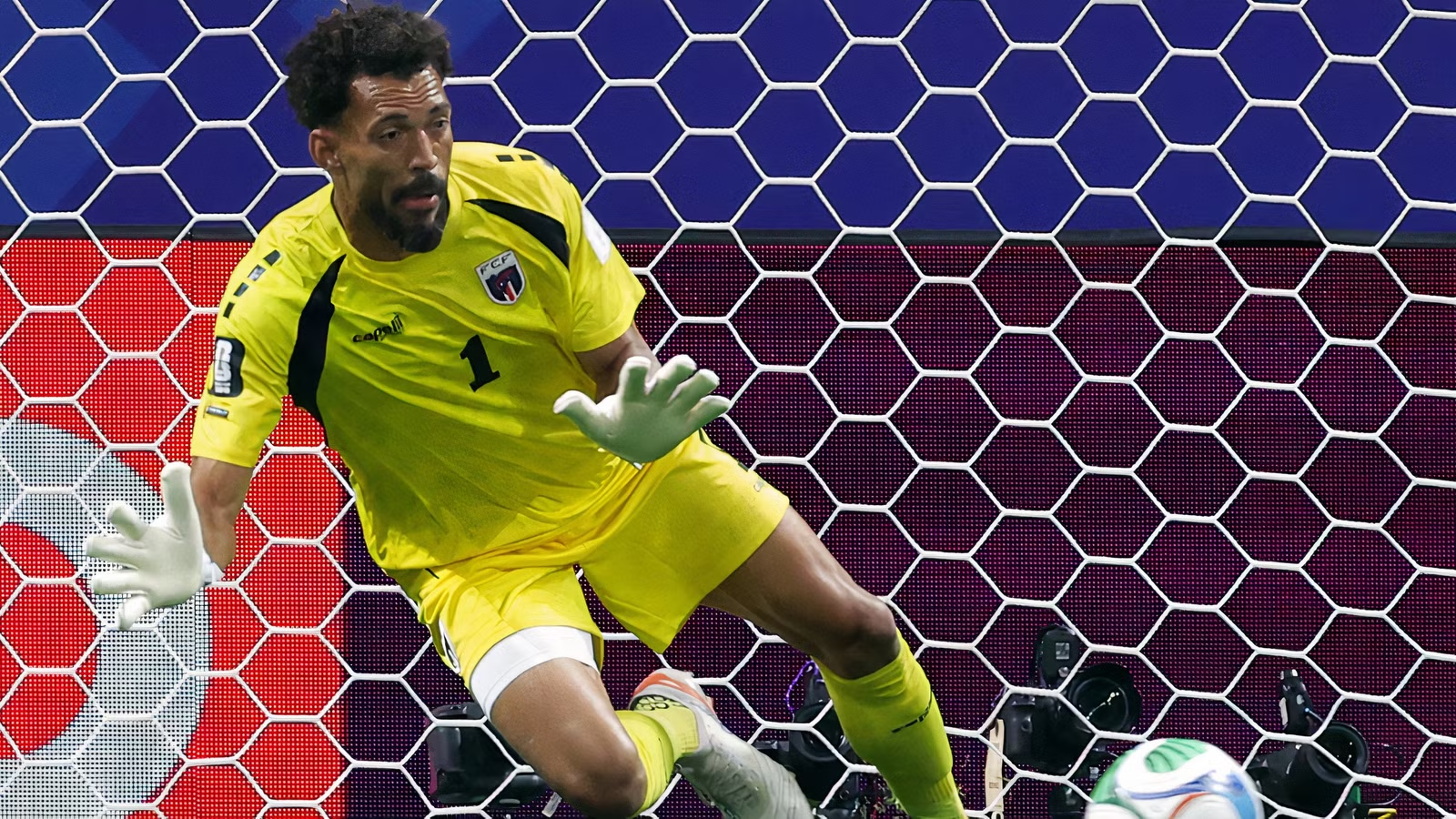
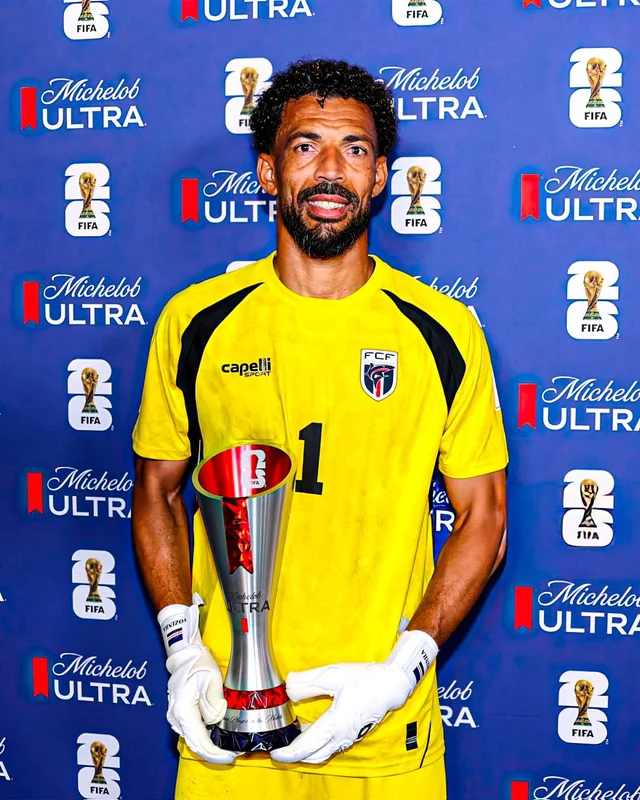
Spain finished the match with approximately 74% possession and 27 attempts on goal, underlining the scale of Cape Verde’s defensive effort. Yet despite the pressure, the underdogs remained organised and resilient throughout.
Vozinha repeatedly denied Spanish attackers, while defenders threw themselves into blocks and challenges to protect the clean sheet. Ferran Torres struck the crossbar, while Mikel Oyarzabal, Pedri and Aymeric Laporte were among the Spanish players denied by a combination of determined defending and inspired goalkeeping. The goalkeeper’s performance earned widespread praise and quickly became one of the defining individual displays of the opening round of matches.
Why This Result Matters
The expanded 48-team World Cup has faced questions about whether the enlarged field would create one-sided contests.
Cape Verde’s performance offered a powerful response.
The match demonstrated that organisation, tactical discipline and collective belief can still bridge significant gaps in resources, reputation and ranking. Spain arrived in Atlanta, expecting to secure a comfortable victory. Instead, Cape Verde delivered a reminder that football’s biggest tournament remains capable of producing unexpected stories. For the African nation, the draw was more than a point. It was validation of years of football development and investment that have steadily transformed Cape Verde into one of Africa’s emerging football powers.
What It Means for African Football
Cape Verde’s achievement adds another notable chapter to African football’s World Cup history.
From Cameroon reaching the quarter-finals in 1990, to Senegal’s run in 2002, Ghana’s breakthrough in 2006 and Morocco’s historic semi-final appearance in 2022, African teams have repeatedly challenged assumptions about the continent’s place in global football.
Cape Verde now has an opportunity to write its own chapter.
The result also highlights how smaller African nations are increasingly benefiting from long-term planning, improved coaching structures and effective integration of diaspora talent. Unlike many traditional football powers, Cape Verde has built its national team by combining domestic development with players raised and trained across Europe.
The Diaspora Factor
Several members of Cape Verde’s squad developed in football systems in Portugal, France, the Netherlands and other European countries before choosing to represent their ancestral homeland.
The approach reflects a broader trend across African football, where diaspora communities have become increasingly important in strengthening national teams. For countries with relatively small populations, the model has proven especially valuable.
Cape Verde’s World Cup debut demonstrated how a well-organised football programme can compete with nations possessing far larger populations and resources.
Spain’s Familiar Challenge
For Spain, the draw revived a recurring concern.
The European champions controlled possession and dictated play for long periods but struggled to convert dominance into goals.
Coach Luis de la Fuente introduced Lamine Yamal during the second half in an attempt to unlock Cape Verde’s defence, but the breakthrough never came. Spain captain Rodri acknowledged afterwards that his side had created enough opportunities to win the match but failed to show the necessary finishing quality in front of goal. The result leaves Spain under greater pressure heading into their remaining group matches.
What It Means for Group H
The draw leaves Group H significantly more open than many observers expected. Spain remain favourites to progress but no longer have the cushion that an opening victory would have provided.
Cape Verde, meanwhile, has placed itself in a strong position heading into fixtures against Uruguay and Saudi Arabia. With several third-placed teams advancing under the expanded tournament format, every point could prove decisive. For Uruguay and Saudi Arabia, the match demonstrated that Spain can be frustrated and that Cape Verde are capable of competing with any side in the group.
Five Questions After Spain v Cape Verde
Why was this result such a surprise?
Spain entered as reigning European champions and among the tournament favourites, while Cape Verde was playing its first-ever World Cup match.
Who was the key player?
Goalkeeper Vozinha, whose saves preserved the clean sheet and secured the historic point.
Did Spain play badly?
Not entirely. Spain dominated possession and chances but struggled to convert opportunities into goals.
Can Cape Verde qualify?
Yes. The draw significantly improves their chances of reaching the knockout stage, particularly under the expanded tournament format.
What happens next?
Spain face Saudi Arabia in their next group match, while Cape Verde take on Uruguay in what could be a defining fixture for qualification hopes.
What This Means for Ghana
Cape Verde’s achievement carries lessons for Ghana and other African football nations. The result demonstrates how strategic planning, strong organisation and effective engagement with diaspora communities can help smaller countries compete against traditional football powers.
For Ghanaian football administrators, the performance offers another example of how long-term development and talent identification can narrow gaps with the world’s elite teams. It also serves as a reminder that World Cup success is not determined solely by population size or financial resources.
The Bigger Picture
World Cups are often remembered not only for champions but also for moments that capture the imagination. Cape Verde’s goalless draw with Spain may become one of those moments.
A nation of just over half a million people stood against one of football’s traditional powers and emerged unbeaten. For Spain, it was a warning.
For Cape Verde, it was a breakthrough.
For African football, it was another reminder that the continent’s influence on the global game continues to grow.
Related posts:
 DR Congo World Cup Preparations Disrupted by Ebola Fears
  The Senegal Model: How Africa’s Most Consistent Football Nation Became a World Cup Contender
  FIFA World Cup 2026 Visa Dispute Raises Questions Over Access, Fairness and the Future of Global Football
  Omar Artan Handed UEFA Super Cup Final After World Cup Exclusion
  Amad Diallo’s Late Winner Gives Ivory Coast Crucial World Cup Victory