Ghana Plans Tougher Crackdown on TV Piracy After Nollywood Producers Raise Alarm
Ghana plans tougher action against TV stations accused of illegally broadcasting Nollywood films after complaints from Nigerian filmmaker Uchenna Mbunabo. The National Film Authority says new licensing and enforcement measures are being prepared.

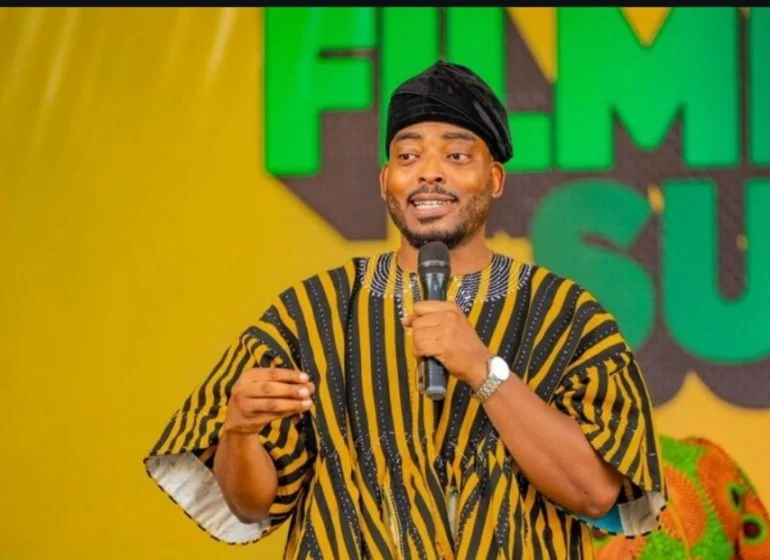

Ghana’s National Film Authority says it is preparing stricter enforcement measures against television stations accused of illegally broadcasting copyrighted films, following complaints from Nigerian filmmaker Uchenna Mbunabo. The proposed reforms could reshape copyright enforcement and strengthen cooperation between Ghana and Nigeria’s film industries.
ACCRA, Ghana — Ghana’s National Film Authority (NFA) says it is preparing tougher regulatory measures to combat the unauthorised broadcast of films after Nigerian filmmaker Uchenna Mbunabo accused some Ghanaian television stations of illegally airing Nollywood productions without permission.
The issue has reignited debate over copyright enforcement in Ghana’s broadcasting sector and raised broader questions about the protection of intellectual property across Africa’s fast-growing creative economy.
Mbunabo, a Nigerian filmmaker whose productions have featured Ghanaian actors, publicly questioned why some television stations in Ghana were allegedly downloading newly released films from YouTube and broadcasting them without obtaining permission from producers or rights holders. He argued that the practice deprives filmmakers of legitimate revenue and discourages future investment in film production.
Responding to the concerns, James Gardiner, Deputy Executive Secretary of Ghana’s National Film Authority, acknowledged that copyright infringement by some broadcasters remains a significant challenge and confirmed that regulators are working on reforms aimed at strengthening enforcement. Gardiner said the National Film Authority has begun discussions with the Ministry of Communications, the National Communications Authority (NCA) and the National Media Commission (NMC) to introduce a stronger regulatory framework for television broadcasters, particularly those operating in the digital space.
According to the proposals outlined by the NFA, television stations may be required to undergo a fresh licensing process designed to improve oversight and make it easier for regulators to identify broadcasters that violate copyright laws. Authorities are also considering stricter penalties for repeat offenders, including substantial financial sanctions, suspension of operating licences and, in the most serious cases, licence revocation.
Gardiner said existing copyright legislation has proved difficult to enforce because many digital broadcasters no longer operate from clearly identifiable physical premises, making regulatory oversight more complex than under traditional broadcasting models. The proposed reforms are intended to close those regulatory gaps while ensuring that broadcasters comply with copyright obligations regardless of where they operate.
Long-running concern for filmmakers
Copyright infringement has remained one of the most persistent concerns facing Ghana’s film industry for years. Producers have repeatedly argued that unauthorised broadcasts reduce earnings from cinema releases, television licensing, streaming platforms and digital distribution, weakening incentives to invest in new productions.
Mbunabo said the alleged unauthorised broadcasts have become increasingly frustrating because they prevent producers from recovering production costs through legitimate distribution channels. He questioned whether such practices were permissible under Ghanaian law and urged authorities to strengthen enforcement. His intervention has attracted attention because he has collaborated with Ghanaian actors on several productions and has publicly expressed support for closer cooperation between Ghana’s Ghallywood industry and Nigeria’s Nollywood sector.
Wider implications for Ghana’s creative economy
Industry observers say stronger copyright enforcement could have implications beyond the film sector.
Ghana has identified the creative economy as a strategic growth area capable of generating employment, attracting investment and expanding exports of cultural products. Effective intellectual property protection is widely regarded as essential for encouraging both domestic and international investment in film, television, music and digital content.
Improved enforcement could also strengthen confidence among international production companies seeking partnerships with Ghanaian filmmakers while reinforcing collaboration between Ghana’s creative sector and the wider African entertainment industry. The proposals also come at a time when digital broadcasting and online content distribution continue to expand rapidly across the continent, creating new opportunities for audiences but also increasing the complexity of protecting copyrighted material.
What happens next?
The National Film Authority has not announced a timeline for implementing the proposed reforms. However, Gardiner said work on the new regulatory framework is already underway and expressed confidence that stronger enforcement measures could be introduced after consultations with the relevant regulatory institutions.
The National Communications Authority and the National Media Commission have not publicly announced any new enforcement measures relating to the allegations. For now, the developments represent one of Ghana’s most significant attempts in recent years to strengthen copyright protection in broadcasting, with the potential to reshape relationships between broadcasters, filmmakers and content creators across West Africa.
Related posts:
 GoldBod Partners with Shatta Wale and Medikal to Promote Ghana-Made Gold Jewellery Worldwide
  Ghana Actress Beverly Afaglo Dies at 42 as Tributes Pour In
  Dr Likee’s London Success Draws Corporate Backing as Ghanaian Comedy Expands Abroad
  Ghana-UAE Energy Ties Deepen as UAE Eyes Petroleum Hub
  “I’m Marrying Who I Love, Christian or Muslim” — Black Sherif