
Why Your Stomach Feels Bloated: 12 Common Causes and When You Should See a Doctor

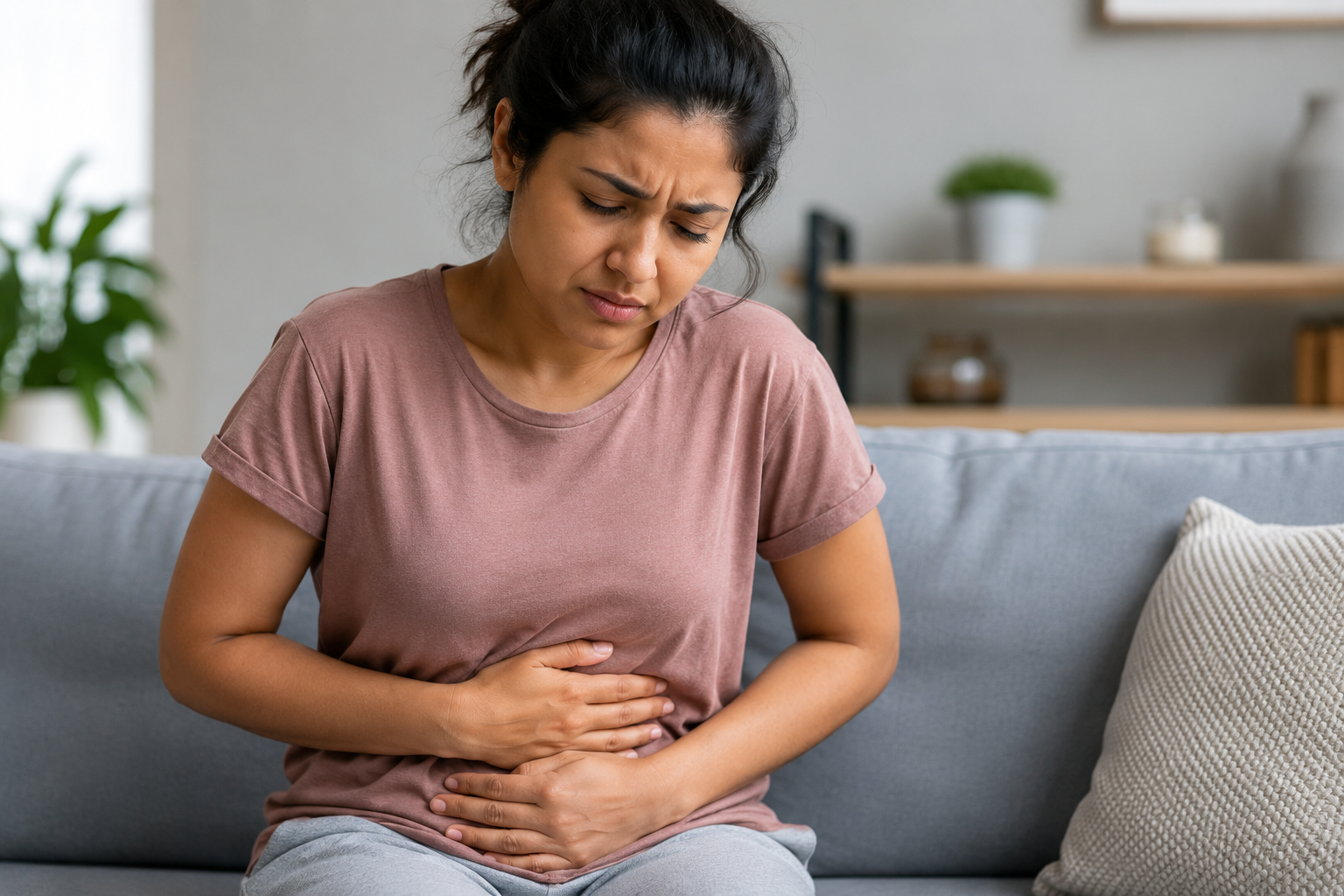

Bloating is something almost everyone experiences at some point. Whether it happens after a large meal, during periods of stress or for no obvious reason, a bloated stomach can leave you feeling uncomfortable, full and even in pain. In most cases, it is temporary and improves with simple lifestyle changes. However, when it becomes persistent or is accompanied by other symptoms, it may be a sign of an underlying medical condition that should not be ignored.
According to the NHS, bloating is often caused by excess gas in the digestive system, constipation or food intolerances. While occasional bloating is rarely serious, persistent symptoms lasting three weeks or more should be assessed by a healthcare professional, particularly if they occur alongside unexplained weight loss, severe abdominal pain or changes in bowel habits.
Understanding the possible causes of bloating can help you identify when self-care is appropriate and when medical advice is needed.
What Is Bloating?
Bloating is the feeling that your abdomen is swollen, tight or full. Some people notice their stomach visibly expands, while others simply experience discomfort or pressure.
The sensation often occurs when gas builds up in the stomach or intestines, but it can also result from slower digestion, constipation or fluid retention. Although bloating is common, frequent episodes should not be dismissed without considering the underlying cause.

1. Eating Too Quickly
Many people eat on the go without realising that eating too quickly causes them to swallow extra air. This trapped air can accumulate in the digestive tract, resulting in bloating and burping.
Eating more slowly, chewing food thoroughly and avoiding talking while chewing can significantly reduce the amount of swallowed air.
2. Overeating
Large meals place extra pressure on the digestive system and take longer to digest. This can leave you feeling uncomfortably full for several hours.
Choosing smaller portions and eating more frequent meals throughout the day may help improve digestion and reduce bloating.
3. Constipation
Constipation is one of the most common causes of abdominal bloating. When stool remains in the bowel for longer than normal, gas builds up as bacteria continue breaking down waste material.
Increasing fibre gradually, drinking enough water and staying physically active can often help relieve constipation and reduce bloating.
4. Irritable Bowel Syndrome (IBS)
Irritable bowel syndrome, commonly known as IBS, affects millions of people worldwide. It is a long-term digestive condition that frequently causes bloating alongside abdominal pain, diarrhoea or constipation.
The NHS recommends dietary changes, stress management and, where appropriate, medication to help control IBS symptoms. Keeping a food diary may also help identify foods that trigger flare-ups.
5. Food Intolerances
Some people find that certain foods consistently cause bloating because their bodies struggle to digest them properly.
Common food intolerances include lactose found in dairy products, gluten in people with coeliac disease, fructose and some artificial sweeteners.
Unlike food allergies, intolerances usually affect digestion rather than the immune system, although symptoms can still be distressing.
6. Foods That Naturally Produce Gas
Healthy foods can sometimes be responsible for bloating.
Beans, lentils, broccoli, cabbage, onions and Brussels sprouts contain fibres and carbohydrates that ferment in the large intestine, producing gas during digestion.
Carbonated drinks can also introduce additional gas into the digestive system.
These foods are nutritious and do not need to be avoided entirely, but reducing portion sizes may help if they regularly trigger symptoms.
7. Hormonal Changes
Many women experience bloating before or during their menstrual cycle due to hormonal fluctuations.
Changing hormone levels can slow digestion and increase water retention, making the abdomen feel swollen. Symptoms usually improve naturally once hormone levels stabilise.
8. Stress and Anxiety
The digestive system and brain are closely connected through what specialists call the gut-brain axis.
Periods of stress or anxiety can slow digestion, alter normal bowel function and increase sensitivity to gas, all of which contribute to bloating.
Managing stress through exercise, relaxation techniques, mindfulness or counselling may improve digestive symptoms for some people.
9. Small Intestinal Bacterial Overgrowth (SIBO)
SIBO occurs when excessive numbers of bacteria grow in the small intestine.
This can interfere with normal digestion and often causes severe bloating, excessive wind, diarrhoea and, in some cases, weight loss.
Diagnosis usually requires specialist testing and treatment prescribed by a healthcare professional.
10. Coeliac Disease
Coeliac disease is an autoimmune condition triggered by gluten. In affected individuals, eating gluten damages the lining of the small intestine, reducing the body’s ability to absorb nutrients.
Persistent bloating is one of the most common symptoms, alongside chronic diarrhoea, tiredness, unexplained weight loss and iron deficiency.
Anyone who suspects coeliac disease should continue eating gluten until testing has been completed, as removing it beforehand can affect the accuracy of blood tests.
11. Ovarian Cancer
Although much less common than digestive causes, persistent bloating can sometimes be an early symptom of ovarian cancer.
The NHS advises women to seek medical advice if bloating occurs frequently, lasts for several weeks or is accompanied by pelvic pain, difficulty eating or feeling full quickly.
Most cases of bloating are not caused by cancer, but persistent symptoms should never be ignored.
12. Other Medical Conditions
Less commonly, bloating may be linked to other health conditions including inflammatory bowel disease (IBD), gastroparesis, liver disease, heart failure or pancreatic disorders.
These conditions usually occur alongside other symptoms and require medical investigation.
How to Reduce Bloating Naturally
Many cases of bloating can be improved with simple lifestyle changes.
Health experts recommend:
- Eat slowly and chew food thoroughly.
- Drink plenty of water throughout the day.
- Exercise regularly to encourage healthy digestion.
- Reduce fizzy drinks if they trigger symptoms.
- Increase fibre gradually rather than suddenly.
- Identify foods that consistently cause bloating by keeping a food diary.
- Manage stress through relaxation techniques or regular physical activity.
Some people may also benefit from probiotics, although their effectiveness varies depending on the underlying cause of bloating.
When Should You See a Doctor?
According to NHS guidance, you should arrange a medical appointment if bloating:
- Lasts longer than three weeks.
- Keeps returning without an obvious cause.
- Becomes progressively worse.
- Is accompanied by unexplained weight loss.
- Causes severe abdominal pain.
- Occurs alongside blood in your stool.
- Is associated with persistent diarrhoea or constipation.
- Makes eating difficult because you feel full very quickly.
These symptoms do not automatically mean you have a serious illness, but they should always be assessed to identify the underlying cause.
Can Bloating Be Prevented?
Although it is not always possible to prevent bloating completely, healthy digestive habits can significantly reduce the risk.
Eating a balanced diet, drinking enough fluids, staying physically active and identifying personal food triggers all support healthy digestion. Avoiding smoking and limiting excessive alcohol intake may also help improve overall digestive health.
If bloating persists despite making these changes, your healthcare professional may recommend further investigations to rule out underlying digestive or medical conditions.
The Bottom Line
Bloating is extremely common and is usually caused by everyday factors such as eating too quickly, constipation, food intolerances or digestive disorders like irritable bowel syndrome.
For most people, symptoms improve through simple changes to diet and lifestyle. However, persistent bloating lasting more than three weeks or occurring alongside symptoms such as weight loss, severe abdominal pain, blood in the stool or difficulty eating should never be ignored.
Seeking medical advice early can help identify the cause, provide appropriate treatment and, where necessary, detect more serious conditions at an earlier stage.
Related posts:
 Why More Ghanaians Are Being Diagnosed with Type 2 Diabetes
  How to Prevent Haemorrhoids: Simple Lifestyle Changes Every Ghanaian Should Know
  Why Ghana’s Youth Mental Health Crisis Is Becoming Impossible to Ignore: What Every Family Needs to Know in 2026
  Hidden Heart Disease Risk Factors: Life-Saving Lifestyle Changes Every Ghanaian Should Know
  ANALYSIS | Larry Dogbey Case Highlights the Delicate Balance Between Press Freedom and Judicial Authority in Ghana