

Hidden Heart Disease Risk Factors: Life-Saving Lifestyle Changes Every Ghanaian Should Know


Follow Nukunya
Get the latest breaking news and updates from Nukunya.
Heart Disease Risk Factors Are Rising in Ghana – Here’s How Lifestyle Changes Can Save Lives
ACCRA, Ghana — Heart disease is becoming one of Ghana’s fastest-growing health concerns, with doctors warning that thousands of people may be living with risk factors that could eventually lead to heart attacks, strokes and other life-threatening cardiovascular conditions.
Although infectious diseases continue to place pressure on Ghana’s healthcare system, medical experts say non-communicable diseases such as heart disease are increasing as lifestyles change, urbanisation accelerates and unhealthy habits become more common.
Many of the major heart disease risk factors can be prevented or controlled through simple lifestyle changes, making awareness one of the most powerful tools in protecting long-term health.
What Is Heart Disease?
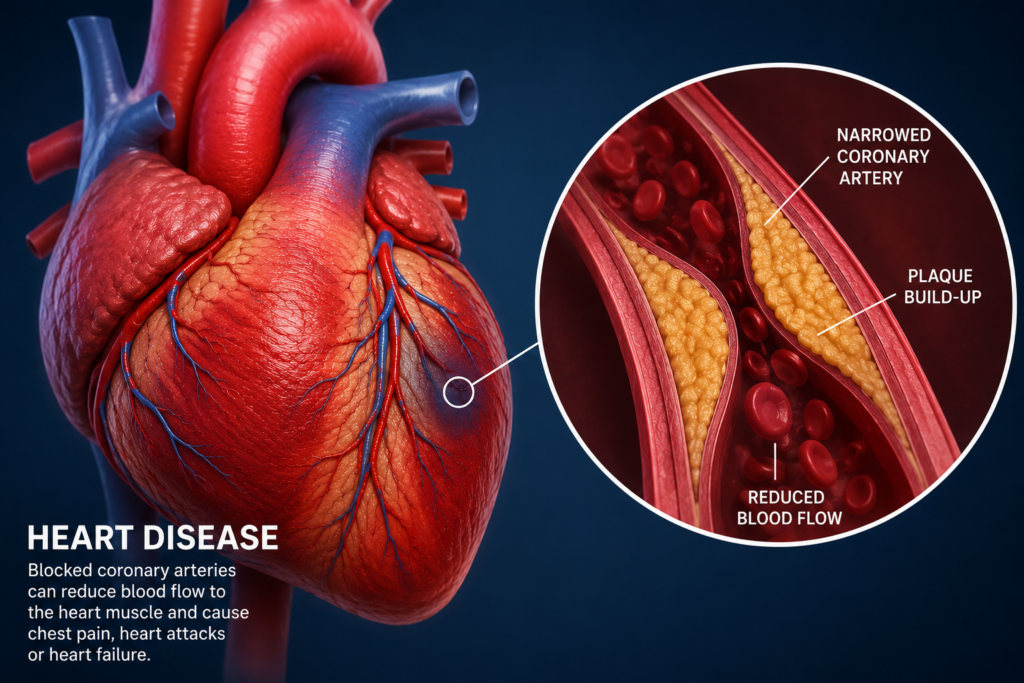
Heart disease is a broad term describing conditions that affect the heart and blood vessels. These include coronary artery disease, heart failure, irregular heart rhythms and heart valve disorders.
When arteries become narrowed or blocked by fatty deposits, the heart receives less oxygen-rich blood. This increases the risk of heart attacks and other serious complications.
Health experts say cardiovascular disease remains one of the world’s leading causes of death, but many cases can be prevented through healthier lifestyles and early medical intervention.
The Biggest Heart Disease Risk Factors
Doctors identify several key heart disease risk factors that increase a person’s chances of developing cardiovascular disease.
High Blood Pressure
Often called the “silent killer,” high blood pressure frequently develops without noticeable symptoms.
Over time, elevated blood pressure damages arteries, forcing the heart to work harder and increasing the likelihood of heart attacks, strokes and kidney disease.
Healthcare professionals recommend regular blood pressure checks, even for people who feel healthy.
High Cholesterol
High cholesterol allows fatty deposits to build inside arteries, restricting blood flow to the heart.
Without treatment, blocked arteries can eventually trigger heart attacks or strokes.
Healthy eating, regular exercise and prescribed medication where necessary can help lower cholesterol levels.
Diabetes
People living with diabetes have a significantly greater risk of developing heart disease.
High blood sugar damages blood vessels over time, making heart attacks and strokes more likely.
Maintaining healthy blood sugar levels is essential for reducing cardiovascular risk.
Smoking
Smoking damages blood vessels, reduces oxygen in the bloodstream and significantly increases the risk of heart disease.
Health specialists say quitting smoking provides almost immediate health benefits, with cardiovascular risks gradually decreasing over time.
Obesity
Excess body weight places additional strain on the heart and increases the likelihood of developing hypertension, diabetes and high cholesterol.
Doctors encourage maintaining a healthy weight through balanced nutrition and regular physical activity.
Physical Inactivity
Modern lifestyles often involve prolonged sitting and limited physical activity.
Experts recommend at least 150 minutes of moderate exercise each week, including brisk walking, cycling or swimming.
Lifestyle Changes That Protect Your Heart
Medical experts agree that healthy habits remain the most effective defence against heart disease.
Eat a Heart-Healthy Diet
Nutritionists recommend diets rich in:
- Fresh fruits
- Vegetables
- Whole grains
- Beans
- Fish
- Nuts
- Healthy vegetable oils
People should reduce their intake of:
- Salt
- Sugary drinks
- Processed foods
- Fried foods
- Foods high in saturated fat
Choosing traditional home-cooked meals over heavily processed convenience foods can also improve heart health.
Stay Physically Active
Exercise strengthens the heart, improves circulation and helps control weight.
Simple activities such as walking, dancing, gardening and cycling can provide substantial cardiovascular benefits.
Health experts encourage reducing sedentary behaviour by taking regular movement breaks throughout the day.
Manage Stress
Long-term stress may contribute to unhealthy behaviours and elevated blood pressure.
Doctors recommend stress management techniques such as:
- Regular exercise
- Deep breathing
- Meditation
- Adequate sleep
- Spending time with family and friends
Seeking professional support when stress becomes overwhelming is also encouraged.
Limit Alcohol Consumption
Excessive alcohol intake may increase blood pressure and contribute to irregular heart rhythms.
Healthcare professionals advise drinking within recommended limits or avoiding alcohol altogether where possible.
Get Enough Sleep
Adults generally require seven to nine hours of quality sleep each night.
Poor sleep has been linked to increased risks of obesity, hypertension, diabetes and heart disease.
Recognising the Warning Signs of Heart Disease
Although some people experience no symptoms until a major cardiovascular event occurs, common warning signs may include:
- Chest pain or tightness
- Shortness of breath
- Pain spreading to the arms, neck or jaw
- Fatigue
- Dizziness
- Irregular heartbeat
- Swollen ankles or feet
Anyone experiencing persistent chest pain or symptoms suggestive of a heart attack should seek immediate emergency medical care.
Why Regular Health Checks Matter
Doctors say routine health screening remains one of the best ways to identify heart disease risk factors before serious complications develop.
Regular monitoring should include:
- Blood pressure checks
- Cholesterol testing
- Blood sugar testing
- Weight measurement
- Assessment of family medical history
Early diagnosis allows healthcare providers to recommend lifestyle changes and treatment before permanent damage occurs.
Looking Ahead
Health professionals believe Ghana can significantly reduce the growing burden of cardiovascular disease through greater public awareness, healthier communities and improved access to preventive healthcare.
Schools, workplaces and community organisations all have important roles in promoting healthier lifestyles and encouraging routine health screening.
While some risk factors such as age and genetics cannot be changed, experts emphasise that many of the leading causes of heart disease are preventable.
Making healthier food choices, exercising regularly, avoiding tobacco, managing stress and attending routine medical check-ups can substantially reduce the risk of developing heart disease.
As cardiovascular disease continues to rise globally, doctors say protecting heart health should become a priority for every Ghanaian. Early action today could prevent life-threatening complications tomorrow, saving lives and improving quality of life for generations to come.
Related posts:
 Why More Ghanaians Are Being Diagnosed with Type 2 Diabetes
  How to Prevent Haemorrhoids: Simple Lifestyle Changes Every Ghanaian Should Know
  Why Ghana’s Youth Mental Health Crisis Is Becoming Impossible to Ignore: What Every Family Needs to Know in 2026
  The Hidden Power of Sleep: 4 Essential Reasons It Supports Health, Wellbeing and Long-Term Survival
  Hirsutism: The 5 Reasons That Causes Excess Hair Growth and Emotional Stress