
South Africa anti-migrant protests: Thousands flee as Ramaphosa calls for calm ahead of unofficial deadline

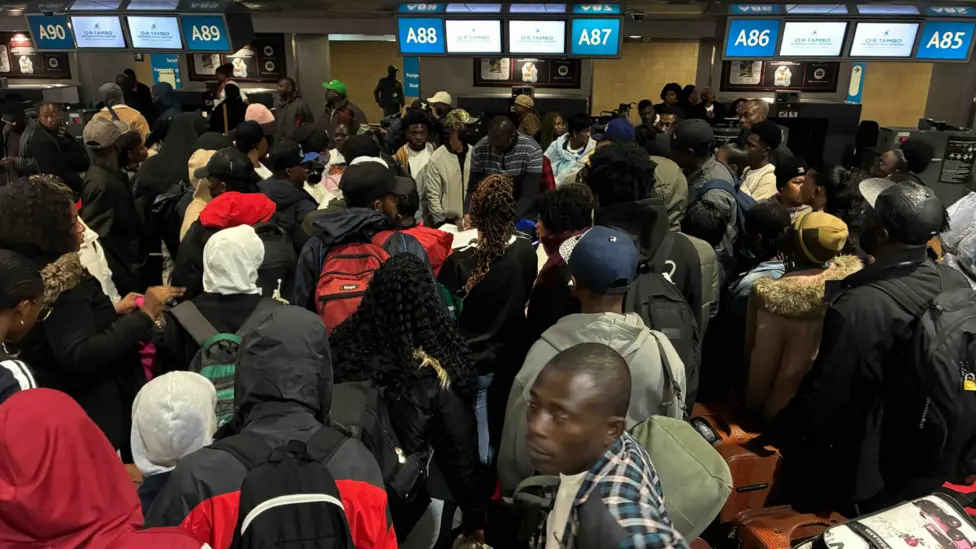

Thousands of migrants have left South Africa or sought temporary shelter amid fears of violence ahead of an unofficial 30 June deadline issued by anti-immigration groups, as President Cyril Ramaphosa urges protesters to remain peaceful and authorities reject threats against foreign nationals.
JOHANNESBURG, South Africa — Thousands of migrants have fled parts of South Africa or sought refuge in temporary transit camps as fears of xenophobic violence intensified ahead of an unofficial 30 June deadline set by anti-immigration activists demanding undocumented foreign nationals leave the country. The South African government has distanced itself from the ultimatum, while President Cyril Ramaphosa has appealed for protests to remain peaceful and within the law.
The deadline has heightened anxiety among migrant communities, particularly in Johannesburg and Durban, where many foreign nationals from Malawi, Zimbabwe, Mozambique, Nigeria and other African countries have packed belongings, queued for transport home or sought protection amid fears that demonstrations could turn violent.
President urges peaceful protests
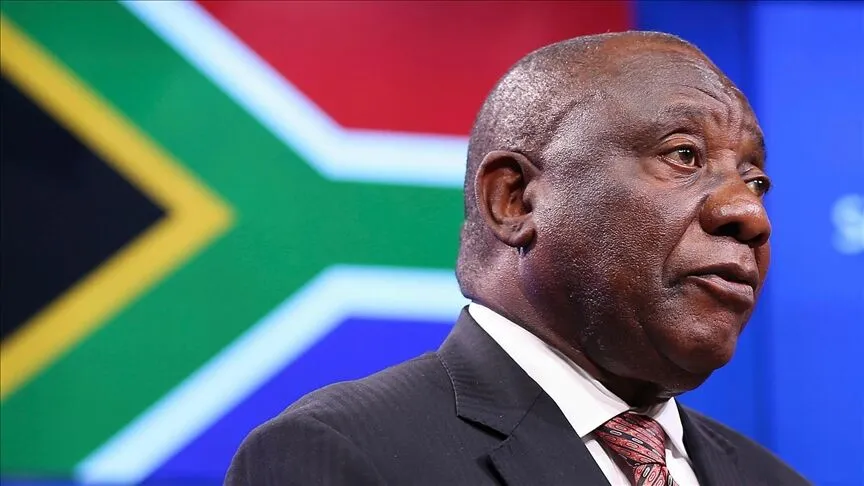
President Ramaphosa has acknowledged public concerns over immigration while stressing that demonstrations must remain lawful and free from intimidation, violence or threats. In a public appeal, the South African leader reminded citizens that many foreign nationals live and work legally in the country and are entitled to constitutional protections. He warned that freedom of expression does not extend to violence, vandalism or intimidation. Authorities have increased police deployments in several cities after organisers announced marches linked to demands for stricter immigration enforcement. Police have also prohibited the carrying of traditional weapons during demonstrations in an effort to reduce tensions.
Migrants fear violence despite official assurances
Despite government reassurances, many migrants say they fear becoming targets regardless of their immigration status.
Reuters reported that Malawian migrant John Allen left Durban after anti-migrant sentiment escalated, saying he feared for his life despite leaving behind his South African partner and their one-year-old son. Others at a temporary transit site said they were reluctant to remain beyond the unofficial deadline because they feared attacks similar to previous outbreaks of xenophobic violence.
Al Jazeera reported that rumours surrounding the deadline spread rapidly through social media posts and pamphlets falsely claiming undocumented migrants faced arrest or deportation if they remained after 30 June. South African authorities have dismissed those notices as fake. Many migrants have spent days sleeping outside diplomatic missions and temporary shelters while waiting for transport assistance to return to their home countries.
Humanitarian concerns grow
The unfolding situation has created significant humanitarian challenges. Aid organisations and community groups have distributed food, blankets and basic supplies to families gathered at transit centres in Durban, where hundreds of migrants have waited for buses to neighbouring countries. Women and children have been among those seeking temporary safety as uncertainty persists.
Government officials say they are assisting migrants who voluntarily wish to leave while maintaining public order. However, authorities have indicated that no formal refugee or transit camps will be established beyond the temporary processing arrangements already in place.
Debate over immigration intensifies
The protests come amid growing public debate over illegal immigration, unemployment and crime.
Groups behind the demonstrations argue they are protesting government failures to enforce immigration laws rather than targeting foreign nationals. However, academics and human rights advocates warn that inflammatory rhetoric can encourage attacks on migrants and deepen social divisions.
Researchers quoted by Al Jazeera said frustration over unemployment and public services risks being redirected towards migrant communities instead of addressing underlying governance and economic challenges.
Long history of xenophobic violence
South Africa has experienced repeated outbreaks of xenophobic violence over the past two decades, resulting in deaths, displacement and damage to businesses owned by foreign nationals.
According to the BBC, thousands of migrants have already left South Africa voluntarily in recent weeks, while others remain in temporary processing centres awaiting transport home. Official figures indicate that more than three million documented foreign nationals live in South Africa, although estimates vary regarding the number of undocumented migrants.
Human rights organisations have repeatedly urged authorities to protect all residents irrespective of nationality while addressing legitimate concerns over migration through lawful processes.
What it means for Africa
The developments are being closely watched across the continent because many affected migrants originate from neighbouring African countries. Governments including Malawi, Zimbabwe, Mozambique, Ghana and Nigeria have coordinated voluntary repatriation efforts for citizens wishing to return home. Analysts say prolonged instability could affect regional labour mobility, remittance flows and confidence in Southern Africa as a destination for migrant workers.
Five key facts
- An unofficial 30 June deadline was issued by anti-immigration activists demanding undocumented migrants leave South Africa.
- The South African government has rejected the ultimatum and condemned violence.
- President Cyril Ramaphosa has urged demonstrators to protest peacefully without intimidation or threats.
- Thousands of migrants have sought transport or temporary shelter amid fears of attacks.
- Police have increased security in major cities ahead of demonstrations.

Related posts:
 Ghana Repatriates Nearly 300 Citizens From South Africa Amid Migrant Tensions
  Nigeria Warns Against Reprisal Attacks Amid South Africa Anti-Migrant Tensions
  Ghana Challenges South Africa Over Xenophobic Attacks, Rejects Crime Allegations Against Ghanaians
  Nigeria Begins Repatriation from South Africa as Anti-Migrant Tensions Spark Regional Concern
  Bedford Triple Murder Suspect Arrested in South Africa After International Manhunt