Trump threatens new strikes on Iran after missiles target US bases in Jordan


Follow Nukunya
Get the latest breaking news and updates from Nukunya.
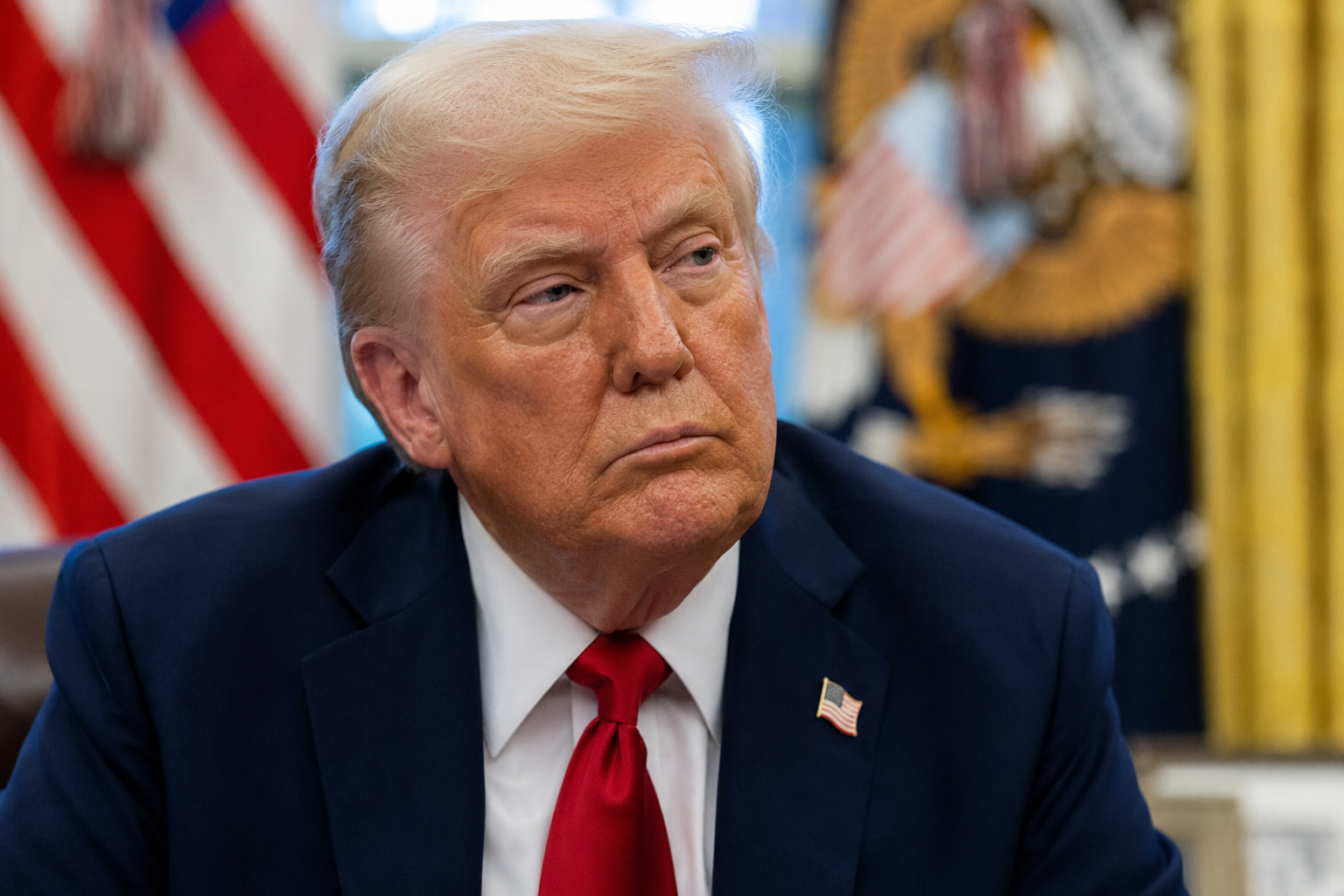
US President Donald Trump has threatened further military action against Iran after Tehran fired missiles towards American bases in Jordan in retaliation for a US strike on Iran’s Larak Island, raising fears of renewed escalation after weeks of relative restraint.
WASHINGTON – US President Donald Trump has threatened further strikes against Iran after the first direct exchanges of fire between the two sides in about a month raised fears of renewed escalation in a conflict that had recently shifted towards economic pressure and restrictions on Gulf shipping.
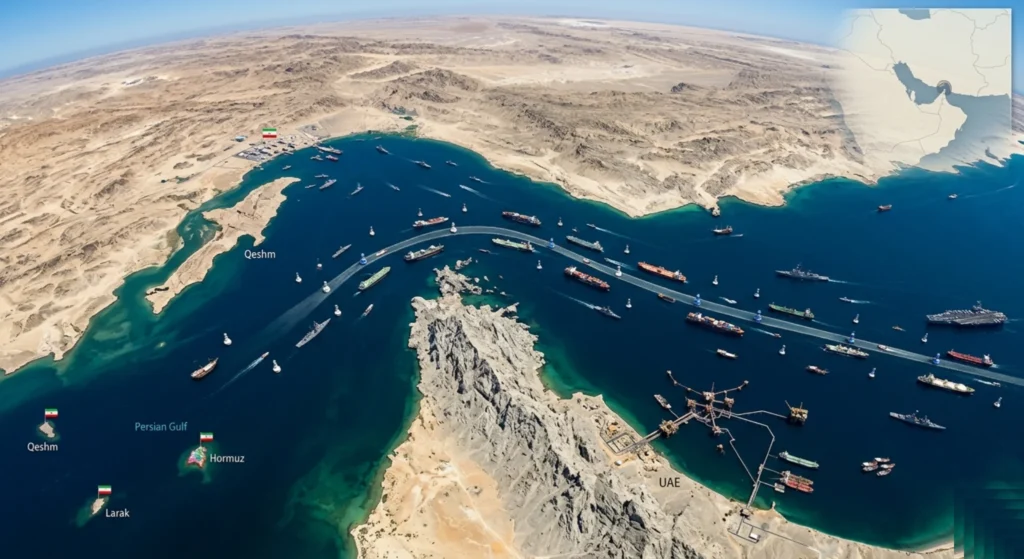
Iran launched missiles overnight towards two US air bases in Jordan after American forces struck targets on Larak Island, a strategically located Iranian island in the Strait of Hormuz.
Trump subsequently warned that Washington would respond.
“We’re going to hit them hard,” Trump told Fox News, according to Reuters. “There will be a response.”
Trump said US air defences had intercepted Iranian missiles capable of causing damage.
Iran, meanwhile, characterised the exchange as limited but warned that another American attack could produce a stronger response. The confrontation raises the prospect of another period of open fighting after several weeks in which economic sanctions, shipping restrictions and pressure around the Strait of Hormuz had become increasingly important features of the dispute.
Why the US struck Larak Island
The latest confrontation began with an American strike on two Iranian launchers on Larak Island on Sunday. A US official said Iranian forces had been preparing to deploy sea mines into the Strait of Hormuz.
US Central Command described its action as limited and precise and said it targeted minelaying forces belonging to Iran’s Islamic Revolutionary Guard Corps that posed what Washington considered an imminent threat in the strait. Iranian reports said three people were killed in the US strike, including two identified as members of the Revolutionary Guards’ naval forces.
Larak’s location makes the incident particularly significant.
The island sits close to the Strait of Hormuz, one of the world’s most strategically important energy corridors. Before the current conflict disrupted shipping, roughly one-fifth of global crude oil and gas shipments normally passed through the strait. Any sustained military escalation affecting the waterway therefore carries consequences extending far beyond Iran and the United States.
US–IRAN CONFRONTATION 01 US ACTION Strike on Larak Island → 02 IRANIAN RESPONSE Missiles towards US bases → 03 US CLAIM Defences prevent damage → 04 NOW Trump promises response
The latest exchange may have been limited. The next one may matter more.
Iran retaliated after the US attack on Larak Island by launching missiles towards American bases in Jordan. Trump has since promised another US response.
THE QUESTION NOW
Can another round of strikes remain “limited and contained”,
or does the confrontation move into a more dangerous phase?
ESCALATION RISK ACTION Limited military strike → RETALIATION Opposing side responds → POLITICAL PRESSURE Demand for another response → RISK Cumulative escalation
A limited strike can still create the conditions for another one
INFORMATION WAR VERIFIED MILITARY EVENT Actual strikes and missile launches AI-GENERATED CONTENT Kharg Island destruction video
One of the most consequential attacks shown online did not happen
Trump posted videos appearing to show explosions destroying Kharg Island, Iran’s principal oil-export terminal. According to the reporting cited in the article, the footage was AI-generated and no such US attack had occurred.
These should be reported using confirmed information from credible reporting and official sources.
The imagery depicted an event that had not occurred.
EDITORIAL RULE
A post by a president is evidence that the president posted it.
It is not, by itself, evidence that the depicted military event occurred.
WHY THE FAKE FOOTAGE MATTERED TARGET Kharg Island → FUNCTION Oil export infrastructure → POTENTIAL EFFECT Energy-market disruption → ESCALATION RISK Broader retaliation
The simulated target was not arbitrary
Kharg Island is central to Iran’s oil-export infrastructure. A real attack there could carry consequences far beyond the imagery itself.
THE DISTINCTION
The video was false. The consequences implied by the video would have
been very real if such an attack had actually occurred.
ECONOMIC PRESSURE MILITARY Strikes and deterrence ECONOMIC Secondary sanctions
Washington is fighting on two fronts: military pressure and sanctions
US force is being used selectively in the confrontation.
Washington is also targeting transactions involving Iran and its oil trade.
THE GLOBAL ECONOMIC PRESSURE POINT GULF Energy exports → CHOKEPOINT Strait of Hormuz → GLOBAL MARKET Oil & shipping → ECONOMIES Fuel & inflation OIL Higher prices SHIPPING Higher costs TRANSPORT Fuel pressure ECONOMY Inflation risk
The Strait of Hormuz turns a regional confrontation into a global economic risk
TWO TRACKS AT ONCE MILITARY TRACK Further attacks could trigger retaliation DIPLOMATIC TRACK Negotiated settlement remains possible
Tehran is signalling both retaliation and negotiation
Iranian officials have warned that Tehran would respond if attacked again.
President Masoud Pezeshkian has indicated that continued warfare is not in the interests of Iran or the wider region.
THE DIPLOMATIC PROBLEM
Negotiation can continue in parallel with military exchanges,
but every new strike makes a durable settlement harder to reach.
STRATEGIC OBJECTIVES OBJECTIVE Nuclear programme OBJECTIVE Regional threat capacity METHOD Military pressure METHOD Economic isolation
Tactical pressure and strategic success are not the same thing
The article notes that Trump has yet to achieve several of the broader objectives attached to his Iran strategy.
Dismantle or substantially neutralise Iran’s nuclear capability.
Reduce Iran’s ability to threaten regional opponents.
Use force to impose costs and defend US interests.
Increase pressure through sanctions and restrictions.
THE STRATEGIC QUESTION
Can repeated pressure produce the stated political outcome without
creating a cycle of retaliation that broadens the conflict?
WHAT WOULD MARK A MORE SERIOUS ESCALATION? LOWER ON THE LADDER Limited military target Narrower retaliatory risk → MORE SERIOUS Broader military infrastructure Greater escalation potential → HIGHER-STAKES TARGET Major oil infrastructure Economic and military consequences → REGIONAL RISK Wider energy retaliation Gulf infrastructure and shipping exposed
Not every possible US response carries the same risk
WHY THIS CAN MATTER FAR FROM THE GULF 1 Hormuz disruption → 2 Global oil pressure → 3 Import costs → 4 Fuel prices → 5 Transport & inflation
A regional confrontation can eventually reach African consumers through energy prices
QUICK EXPLAINER
Five questions from the latest US–Iran exchange
01 Did the US destroy Kharg Island?
No, according to the reporting cited in this article. The videos posted by Trump depicting Kharg Island being destroyed were AI-generated, and no such US attack had occurred.
02 Why would a real attack on Kharg matter?
Kharg Island is central to Iran’s oil-export infrastructure. An actual attack could therefore carry both military and global energy-market consequences.
03 Is the current confrontation contained?
The latest exchange has been described as comparatively limited, but Trump’s promised response means that assessment could change.
04 Why does the Strait of Hormuz matter?
It is a major energy-transport chokepoint. Serious disruption can affect oil markets, shipping costs and economies well outside the region.
05 What should we watch next?
The nature of the next US target, Iran’s response, any change in Hormuz shipping conditions and whether diplomatic engagement continues.
NUKUNYA ANALYSIS OPTION A Another limited military strike OPTION B Major energy infrastructure MILITARY US–Iran strikes + ENERGY Hormuz vulnerability + INFORMATION AI-generated claims = THE CHALLENGE Verify while assessing escalation
The most important question is whether the next strike remains “limited”
Trump’s promise to respond is the immediate headline. The target he chooses may be more consequential.
Potentially preserves a narrower confrontation.
Raises military, economic and regional escalation risks.
The AI-generated Kharg Island videos inadvertently demonstrate the difference. The footage was not a record of a real attack, but it depicted the kind of target whose destruction could fundamentally alter the confrontation.
THE ESCALATION TEST
The latest exchange appears comparatively contained.
Trump’s promised response will determine whether it stays that way.
Related posts:
 US-Iran Exchange Fire as Trump Seeks Changes to Proposed Deal
  Israel and Lebanon Agree Ceasefire if Hezbollah Ends Attacks
  Iran Fires Missiles at Kuwait and Bahrain as Gulf Conflict Threatens Global Energy Routes
  Hezbollah Rejects US-Backed Lebanon Ceasefire, Raising Doubts Over Wider Peace Efforts
  US-Iran Deal Reopens Key Oil Route but Lebanon and Nuclear Risks Remain