
Danny Glover reveals he has Alzheimer’s disease after three-year diagnosis
Danny Glover has revealed he has been living with Alzheimer's disease for three years, saying he hopes speaking publicly will encourage awareness and reduce the stigma surrounding dementia

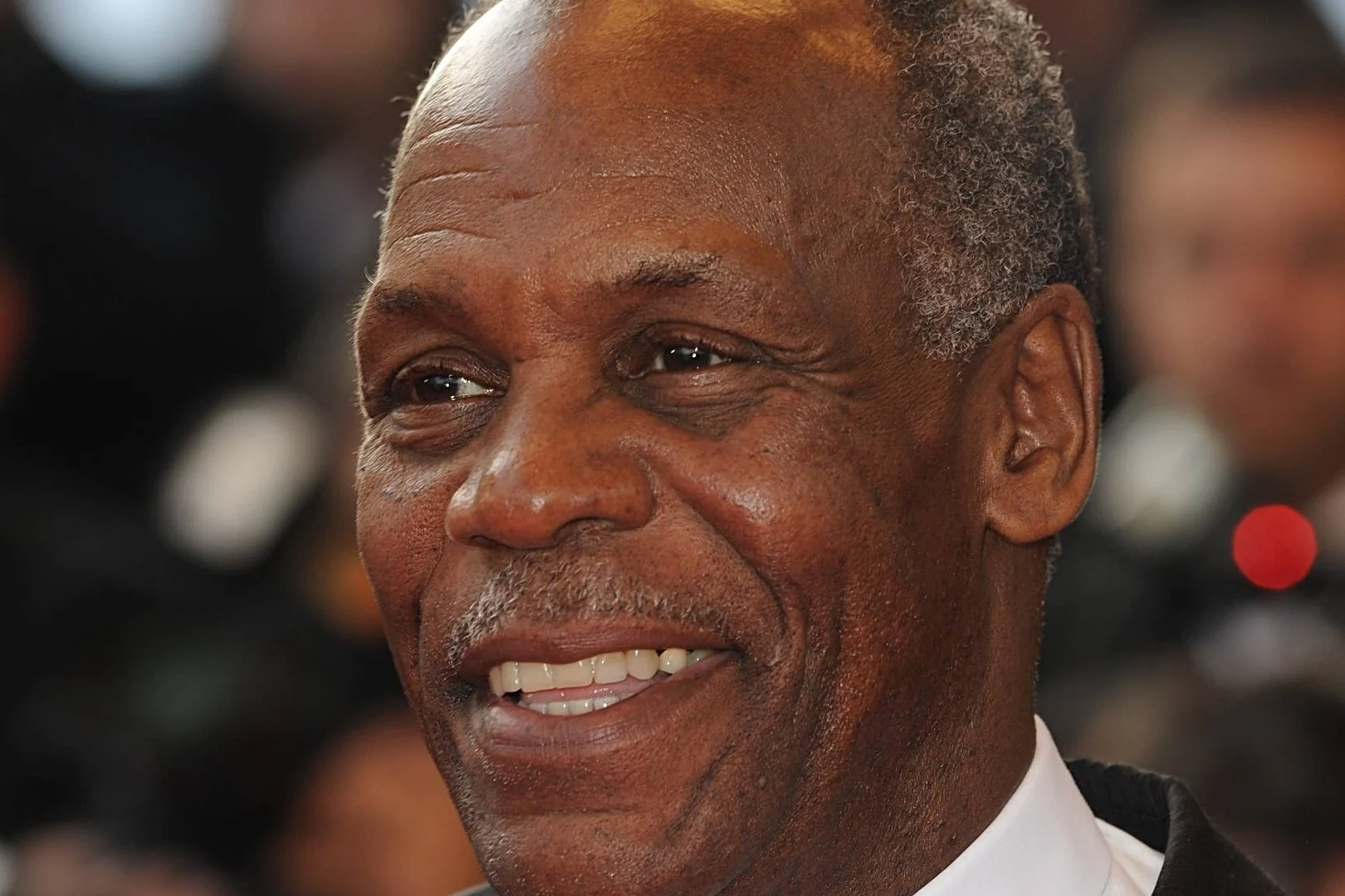

Award-winning actor Danny Glover has revealed he has been living with Alzheimer’s disease for three years, saying he hopes sharing his diagnosis will encourage earlier conversations about dementia and help reduce stigma surrounding the condition. Health experts say his announcement shines a spotlight on one of the world’s fastest-growing public health challenges.
LOS ANGELES, United States — Award-winning American actor Danny Glover has revealed that he has been living with Alzheimer’s disease for the past three years, saying he chose to make his diagnosis public to encourage more open conversations about dementia and help reduce the stigma surrounding the condition.
The 79-year-old actor disclosed the diagnosis during an interview broadcast on NBC’s Today programme, explaining that he had lived privately with the condition since receiving the diagnosis shortly after accepting an honorary Academy Award in 2022. He said that while his speech, movement and memory have slowed, he continues to remain active and optimistic.
“I can live with it, in a sense. I’m sure as it advances, things are going to be different and changing,” Glover said.
Rather than focusing solely on his illness, Glover said he wanted his announcement to encourage families to speak more openly about dementia and to remind people that an Alzheimer’s diagnosis does not immediately define a person’s abilities or achievements.
Family wanted him to tell his own story
Glover said deciding to speak publicly was a carefully considered family decision.
His daughter, Mandisa Glover, said it was important that he shared the news himself instead of allowing rumours or speculation to shape the conversation.
“That’s really important. And the time is now,” she said during the interview.
The family’s decision reflects a growing effort by people living with dementia to speak openly about their experiences and encourage earlier diagnosis for others.
More than a Hollywood career
Glover has built one of Hollywood’s most respected careers over more than five decades.
He is internationally recognised for portraying Detective Roger Murtaugh in the Lethal Weapon films and has also appeared in acclaimed productions including The Color Purple, Places in the Heart, Dreamgirls and Saw. His contribution to cinema was recognised with an honorary Academy Award in 2022.
Beyond acting, Glover has long been known for humanitarian and civil rights work. He has served as a United Nations Development Programme Goodwill Ambassador, supporting initiatives on poverty reduction, health and sustainable development, including programmes across Africa.
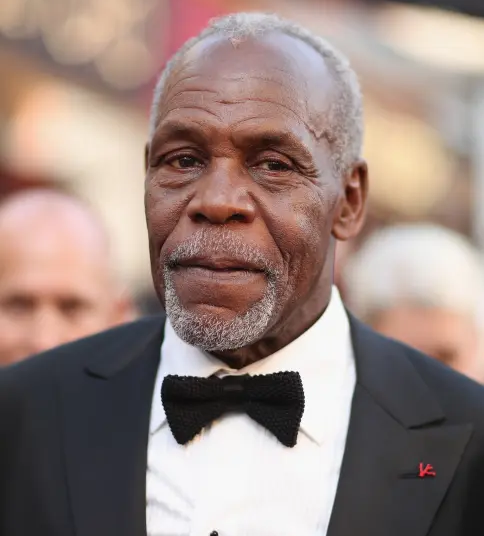
Why Danny Glover’s diagnosis matters beyond Hollywood
Glover’s announcement comes as dementia is becoming one of the world’s fastest-growing health challenges.
According to the World Health Organization (WHO), more than 55 million people worldwide are living with dementia, and nearly 10 million new cases are diagnosed every year. Alzheimer’s disease accounts for an estimated 60% to 70% of dementia cases globally.
Medical experts say high-profile public disclosures can encourage people to recognise early symptoms, seek medical advice sooner and reduce the stigma that often prevents families from discussing cognitive decline.
Health organisations have increasingly argued that awareness campaigns led by well-known public figures can improve understanding of dementia while helping people appreciate that individuals diagnosed with Alzheimer’s can continue leading meaningful lives with appropriate treatment and support.
Dementia is becoming a growing challenge in Africa
Although dementia has traditionally received less attention than other non-communicable diseases across much of Africa, specialists say the continent’s ageing population means the number of people living with Alzheimer’s disease and other forms of dementia is expected to increase significantly in the coming decades.
In many African countries, families provide most long-term care because specialist dementia services remain limited. Public awareness is also relatively low, and symptoms are sometimes misunderstood as a normal part of ageing rather than a medical condition requiring assessment and support.
Health experts have called for greater investment in early diagnosis, caregiver support and public education as populations continue to live longer.
What is Alzheimer’s disease?
Alzheimer’s disease is the most common form of dementia. It is a progressive neurological condition that gradually damages brain cells, affecting memory, thinking, language and the ability to carry out everyday activities.
Although there is currently no cure, medicines, therapy and supportive care can help many people manage symptoms and maintain independence for longer.
Early diagnosis can also help families plan future care and access medical and community support services.
Common early symptoms include:
- Persistent memory loss.
- Difficulty finding the right words.
- Confusion about time or familiar places.
- Misplacing everyday objects.
- Changes in judgement or decision-making.
- Personality or mood changes.
Anyone experiencing persistent cognitive changes should seek assessment from a qualified healthcare professional, as similar symptoms may have other causes.
A message that reaches beyond film
Glover said he hopes speaking publicly about Alzheimer’s disease will encourage more families to have honest conversations about dementia. His announcement is unlikely to be remembered simply as celebrity health news. For millions of families caring for relatives with dementia, it serves as another reminder that Alzheimer’s disease affects people regardless of fame, profession or background—and that reducing stigma remains one of the most effective ways to encourage earlier diagnosis, treatment and support.
Quick Facts
Understanding Alzheimer’s Disease
Symptoms
- Memory loss
- Confusion
- Difficulty communicating
- Changes in mood
- Poor judgement
- Difficulty completing familiar tasks
Risk Factors
- Increasing age
- Family history
- Cardiovascular disease
- Diabetes
- Physical inactivity
Why this matters
Danny Glover’s decision to share his diagnosis transforms a celebrity story into an opportunity for public education. As populations age around the world, including across Africa, dementia is expected to become an increasingly significant health challenge. Open conversations, early diagnosis and support for families will play a crucial role in improving quality of life for those affected.

Related posts:
 Ghana’s malaria cases decline as vaccination rollout expands
  WHO Warns DR Congo Ebola Outbreak May Be Spreading Faster as Death Toll Hits 131
  “I’m Marrying Who I Love, Christian or Muslim” — Black Sherif
  Missing Newborn at Salaga Hospital Sparks Police Investigation
  Miss Ghana unveils Stacy Amoateng, Okyeame Kwame and Kafui Dey as judges for 69th Miss Ghana auditions