Agbogbloshie Market Redevelopment Suspended for Talks



Agbogbloshie Market Redevelopment Suspended for Further Consultations
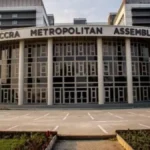
The proposed redevelopment of the Agbogbloshie 24-Hour Economy Market has been put on hold, at least for now, to allow for further discussions between government, the Accra Metropolitan Assembly (AMA), market leadership, and other stakeholders.
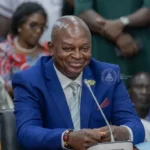
Minister for Local Government, Chieftaincy and Religious Affairs Mahama Ayariga made the announcement on Wednesday, September 23, 2026, during a joint engagement with Transport Minister Joseph Bukari Nikpe and Accra Mayor Michael Kpakpo Allotey. The three met with traders and leadership of the Yam Market at Agbogbloshie to discuss the way forward.
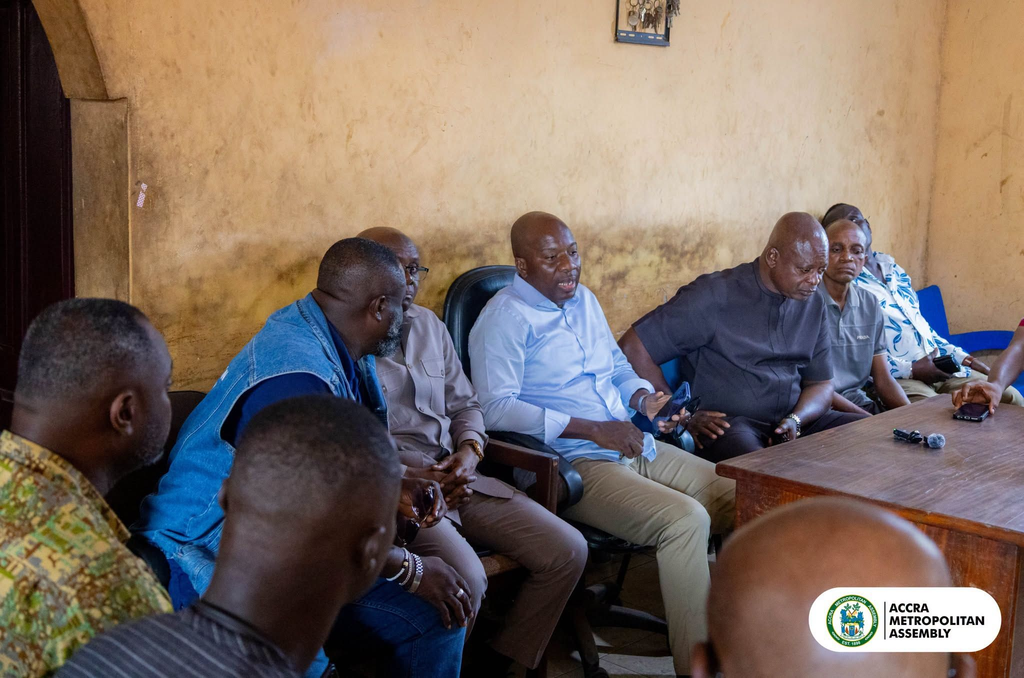
According to Ayariga, this temporary suspension gives government and AMA the space to properly assess conditions on the ground, review the proposed redevelopment, and reach agreement with stakeholders on a plan that actually works for everyone involved.
He was clear about the underlying intent behind the broader 24-Hour Economy Market initiative improving market infrastructure across the country, but in a way that takes existing commercial activity into account rather than sweeping it aside.
Ayariga acknowledged that government has directed Metropolitan, Municipal, and District Assemblies to develop upgraded market infrastructure nationwide. But he was firm that redevelopment shouldn’t simply translate into pushing existing traders out.

He also indicated some flexibility on the design side, noting that the standard design used for the 24-Hour Economy Market programme could be adjusted to reflect Accra’s specific circumstances, rather than being applied rigidly regardless of local context.
Ayariga said the upcoming discussions would examine the full scope of the project, its cost, and the funding needed to bring an agreed design to life. He left the door open to reconfiguring or even expanding the project’s scope if that’s what it takes to accommodate more traders, adding that additional funding could be considered if a larger redevelopment ends up being necessary.
To illustrate how flexible the initiative can be, Ayariga pointed to the Kumasi project as a useful reference point. There, he explained, the intervention has been used to improve and complete an existing market rather than strictly following the standard design template a model he suggested could inform how Agbogbloshie’s redevelopment is eventually handled.
This engagement with traders and market women follows earlier resistance from the community over plans to demolish the existing market to make way for a new 24-hour facility, resistance that ultimately led to this pause and the push for further dialogue.